Vocational hospitality education offers several advantages that make it an appealing choice for individuals aspiring to careers in the service industry. Here's an in-depth analysis of the main benefits students can expect to gain:
1. Emphasis on Practical Skills and Job Readiness
Vocational hospitality programs focus on training skills that are directly applicable in real work situations. The curriculum typically integrates intensive theory with practical application, ensuring students are ready for employment immediately after graduation.
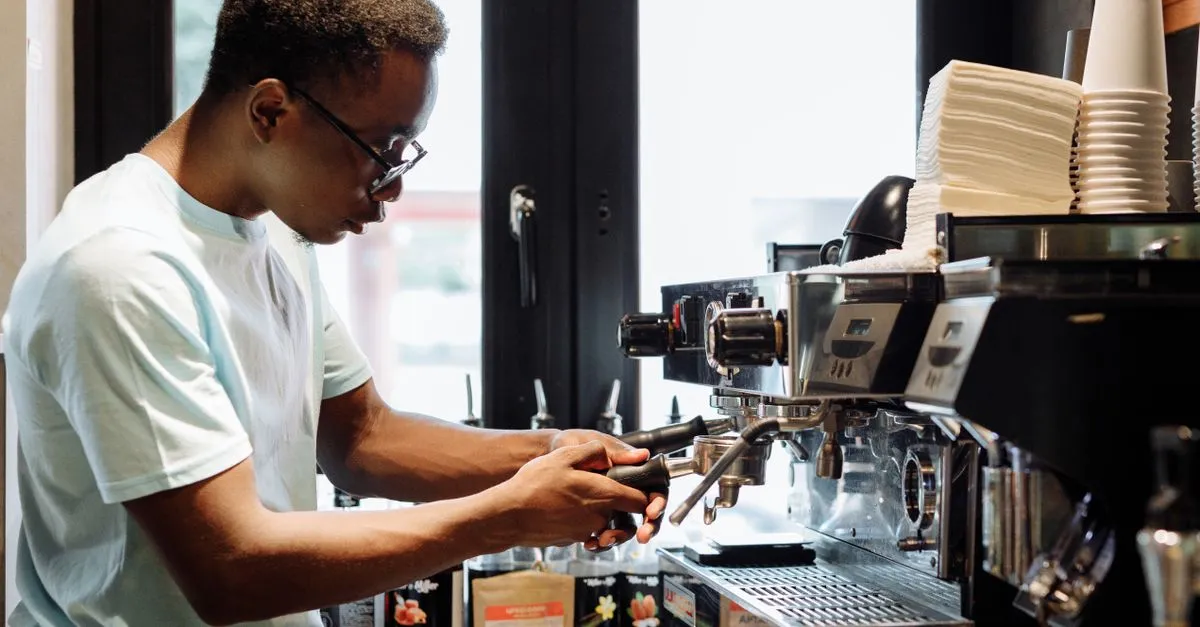
- Practical Internships: Vocational courses often include internships in actual hotels or establishments, providing students with real-world experience and opportunities to build industry networks.
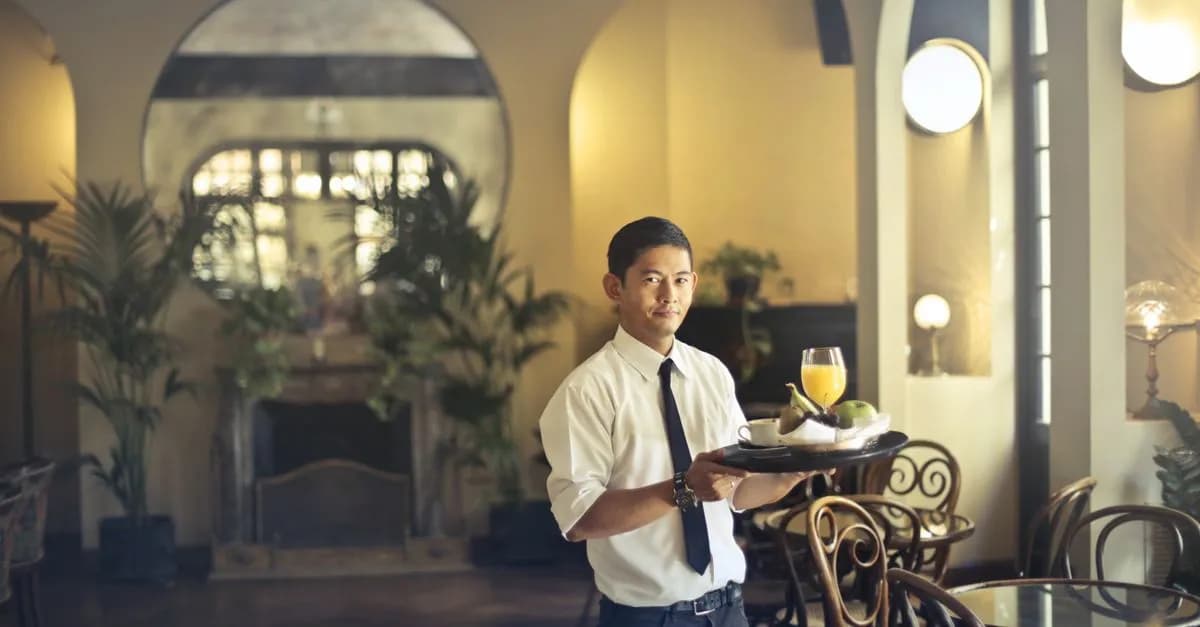
- Specialized Skills: Students learn skills essential for various positions, such as food and beverage service, front office operations, housekeeping management, and event organization.
2. High and Diverse Employment Opportunities
The hotel and tourism industry is a continuously growing sector with a high demand for skilled personnel. Graduating from a vocational hospitality program opens doors to a wide array of career opportunities.
- Personnel Demand: The industry requires individuals with specialized skills who are ready to work immediately, which vocational programs are well-suited to provide.
- Diverse Job Roles: Opportunities extend beyond hotels to include resorts, airlines, tour companies, restaurants, convention centers, and many other service businesses.
- Career Advancement: Those starting in vocational roles can develop their skills and advance to higher positions, such as department managers or hotel executives.
3. Development of Essential Workplace Skills
Beyond specialized skills, vocational hospitality education also helps develop other crucial skills for career success.
- Communication Skills: Working in the service industry requires effective communication with both customers and colleagues.
- Problem-Solving Skills: Encountering unexpected situations is common in service roles, making the ability to resolve immediate problems vital.
- Teamwork Skills: Collaborating with others to achieve common goals is at the heart of service.
- Foreign Language Skills: The tourism industry is global. Proficiency in foreign languages, such as English, enhances employment and advancement opportunities.
4. Comparison with General/University Education
Learning FocusPractical, specialized skillsTheoretical, broad conceptsStudy DurationShorter (e.g., 2-3 years)Longer (e.g., 4-year bachelor's degree)Job ReadinessReady for work immediately after graduationMay require additional learning/internships post-graduationEmployment OpportunitiesHigh in specialized entry-level positionsHigh in management/planning roles (may require experience)CostGenerally lower overallGenerally higher overall
FAQ
Q: Can vocational hospitality graduates pursue further education?
A: Absolutely. Graduates of vocational programs can often transfer their credits to pursue bachelor's degrees in hospitality, tourism, or related fields.
Q: What is the typical starting salary for vocational hospitality careers?
A: Starting salaries vary based on position, experience, and establishment. Generally, they are competitive and offer opportunities for increases based on skill and experience. Find more salary information here.
Vocational hospitality education is a valuable choice for those seeking to enter the service industry quickly with strong, practical skills. Whether as a career kickstart or a stepping stone to higher education, investing in this vocational path can lead to future opportunities and success.


![[โทนสีธรรมชาติ แฟชั่น] ดีแคช มาสเตอร์ ซูพรีม คัลเลอร์ ครีม 100 มล. Dcash Master Supreme Natural Shine (ครีมย้อมผม ยาย้อม](/_next/image?url=https%3A%2F%2Ffiles.rongramjobs.com%2Fuploads%2Foptimized%2Fth-11134207-81zte-mfc3kyg5aia58e-1782532762021.webp&w=3840&q=75)
![[Music Flower] Photo Genic รองพื้นเนื้อครีมบางเบากันน้ำคุมมัน ไม่เหนียวเหนอะหนะ 30 ML.](/_next/image?url=https%3A%2F%2Ffiles.rongramjobs.com%2Fuploads%2Foptimized%2Fth-11134207-81ztg-mfc1l5gkykga16-1782697675738.webp&w=3840&q=75)