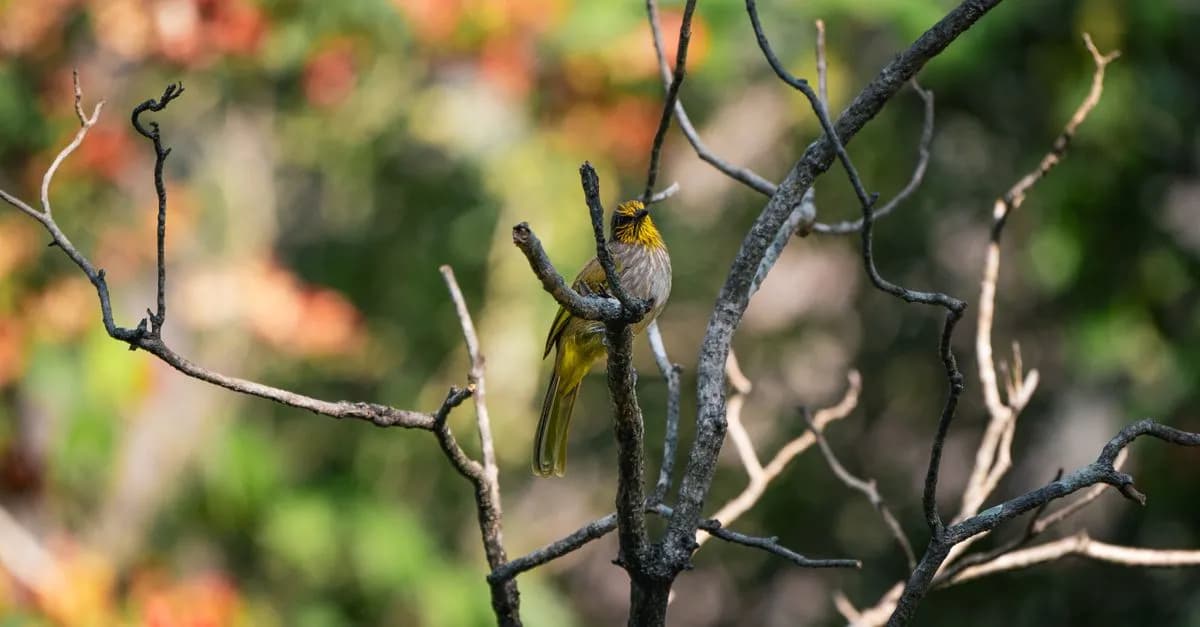
Thailand is a birdwatcher's paradise, boasting rich biodiversity and diverse ecosystems. Choosing the right accommodation is crucial to enhancing your birdwatching experience. This article provides an in-depth look at the types of hotels and resorts in Thailand suitable for birdwatchers, focusing on their locations, facilities, and opportunities to spot rare birds. This guide will help you plan your trip effectively and fully enjoy Thailand's natural beauty.
Types of Accommodation Ideal for Birdwatchers
When selecting accommodation for birdwatching, options extend beyond luxury hotels to include specialized lodgings strategically located for optimal birding opportunities.
Eco-Resorts
These resorts are typically situated in lush natural environments, such as forest fringes, riverbanks, or near national parks. Their design often blends seamlessly with nature, aiming to minimize environmental impact.
- Pros: High immersion in nature, often offer local guides or organized birdwatching activities, peaceful atmosphere.
- Cons: May lack some amenities found in urban hotels, potentially higher prices.
- Example Locations: Chiang Mai (Doi Inthanon), Kanchanaburi (Erawan National Park), Nakhon Si Thammarat (Khao Luang National Park).
National Park or Wildlife Sanctuary Lodgings
These accommodations are often the best choice for birdwatchers seeking immediate access to prime birding areas. They typically consist of bungalows or tents managed by the Department of National Parks, Wildlife and Plant Conservation.
- Pros: Easiest access to birding sites, budget-friendly, high chance of spotting rare birds.
- Cons: Basic facilities, require advance booking and strict adherence to rules.
- Example Locations: Khao Yai National Park, Kaeng Krachan National Park, Huai Kha Khaeng Wildlife Sanctuary.
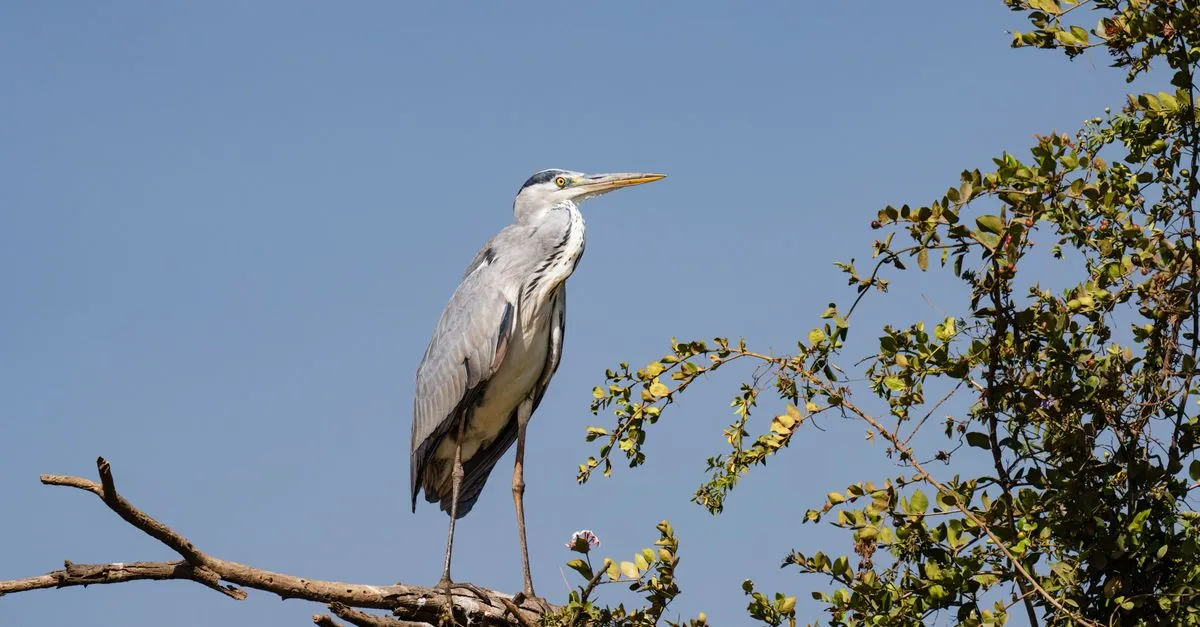
Hotels or Guesthouses Near Key Birding Sites
For birdwatchers who prefer more comfort while still having easy access to birding locations, hotels or guesthouses situated close to major birding areas are a viable option.
- Pros: Full range of amenities, convenient travel, wide variety of choices.
- Cons: May require travel to main birding spots, atmosphere might not be as tranquil as in-forest lodgings.
- Example Locations: Chiang Rai city (near Kwan Phayao), Ranong city (near mangroves), Songkhla city (near Songkhla Lake).
In-Depth Analysis: Factors to Consider When Choosing Accommodation
Selecting accommodation for birdwatching involves more than just location. To ensure the best experience, consider these factors:
1. Location and Accessibility
- Proximity to Birding Sites: The accommodation should be close to primary birding spots or have nature trails where birds are easily found.
- Transportation: Consider the ease of travel to the accommodation and to various birding locations. Are shuttle services available?
2. Facilities and Services
- Tranquility: A quiet environment is essential for birdwatching.
- Support Equipment: Some accommodations may offer binoculars, birding maps, or field guides for loan.
- Food: Meal services should be suitable for a birdwatcher's schedule (e.g., packed breakfast for early departures).
- Bird Guides: Some establishments provide expert local bird guides, increasing the chances of spotting rare species and offering educational insights.
3. Conservation Policies and Activities
Accommodations with strong environmental conservation policies and support for eco-tourism contribute to sustainable birdwatching.
- Waste Management: Effective waste disposal systems.
- Energy Use: Emphasis on economical and sustainable energy practices.
- Local Community Support: Involvement in local employment or sourcing goods from the community.
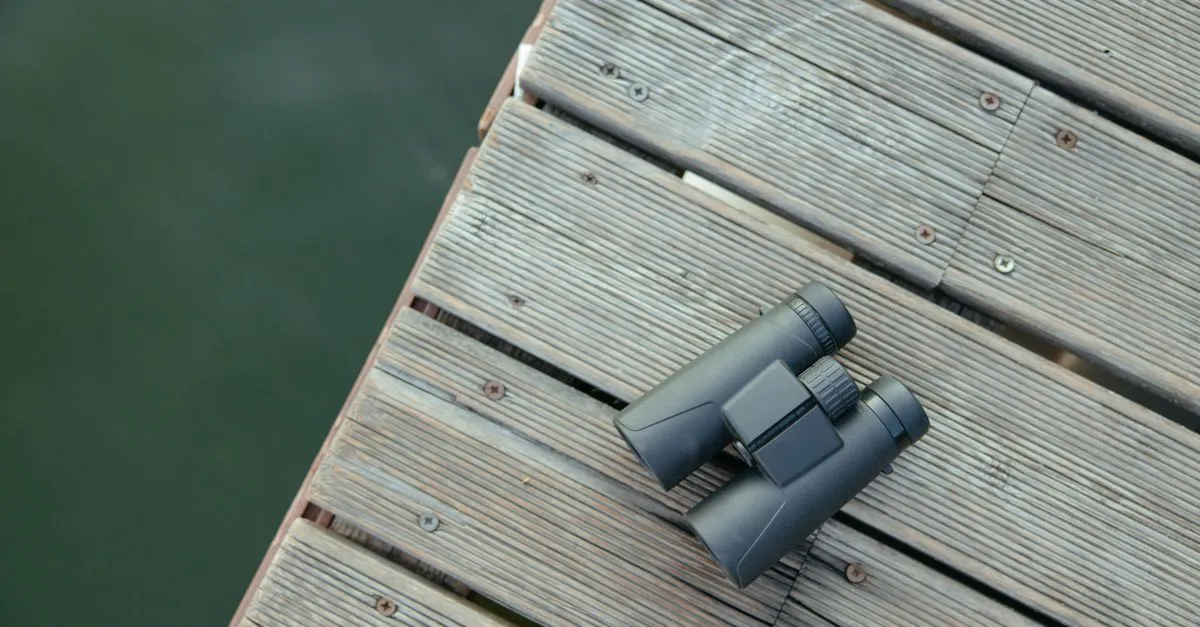
Comparison of Popular Birdwatching Accommodations in Thailand
This comparison table provides an overview of popular accommodations in different regions.
Baan Krang CampKaeng Krachan National Park, PhetchaburiNational Park Bungalows/TentsImmediate access to birding spots, artificial salt licks, high chance of rare birdsLarge Cuckooshrike, Pitta, WoodpeckerThe Oriental Kwai ResortKanchanaburiRiverside ResortTranquil atmosphere, beautiful gardens, canoeing activitiesKingfisher, Egret, BulbulPhu Jaya Mini ResortChiang RaiEco-ResortNear Northern Thailand birding sites, scenic natural viewsThrush, Bulbul, FlycatcherKhao Yai Garden ResortKhao Yai, Nakhon RatchasimaResort near Khao YaiConvenient travel, close to park entrance, spacious gardensHornbill, Hill Myna, Greater Racket-tailed DrongoFAQ
Q: What equipment should I prepare for birdwatching?
A: Essential equipment includes binoculars, a field guide, a notebook, a pen, a hat, natural-colored clothing, hiking shoes, and drinking water.
Q: What is the best time for birdwatching in Thailand?
A: Generally, the winter season (November - February) is the best time, as many migratory birds arrive in Thailand, and the weather is favorable for travel.
Q: What precautions should I take when birdwatching in nature?
A: Dress appropriately to protect against insects and venomous animals, avoid making loud noises that disturb birds and wildlife, do not litter, and strictly follow national park regulations.
Choosing the right accommodation is a crucial part of making your birdwatching trip smooth and memorable. We hope this article helps you plan your next birding adventure and allows you to fully experience the beauty of nature and diverse bird species in Thailand. For more information on eco-tourism and career opportunities in the hotel and tourism industry, please visit Rongramjobs.com.




![[ของขวัญ?] ดัมเบล ดัมเบลยาง 1/2/3/4กก. ลดไขมันต้นแขน ออกกำลังกายและฟิตเนส ดัมเบลสำหรับผู้หญิง ดัมเบลยกน้ำหนัก](/_next/image?url=https%3A%2F%2Ffiles.rongramjobs.com%2Fuploads%2Foptimized%2Fth-11134207-7rasg-m26jme1pimzl63-1782312751674.webp&w=3840&q=75)