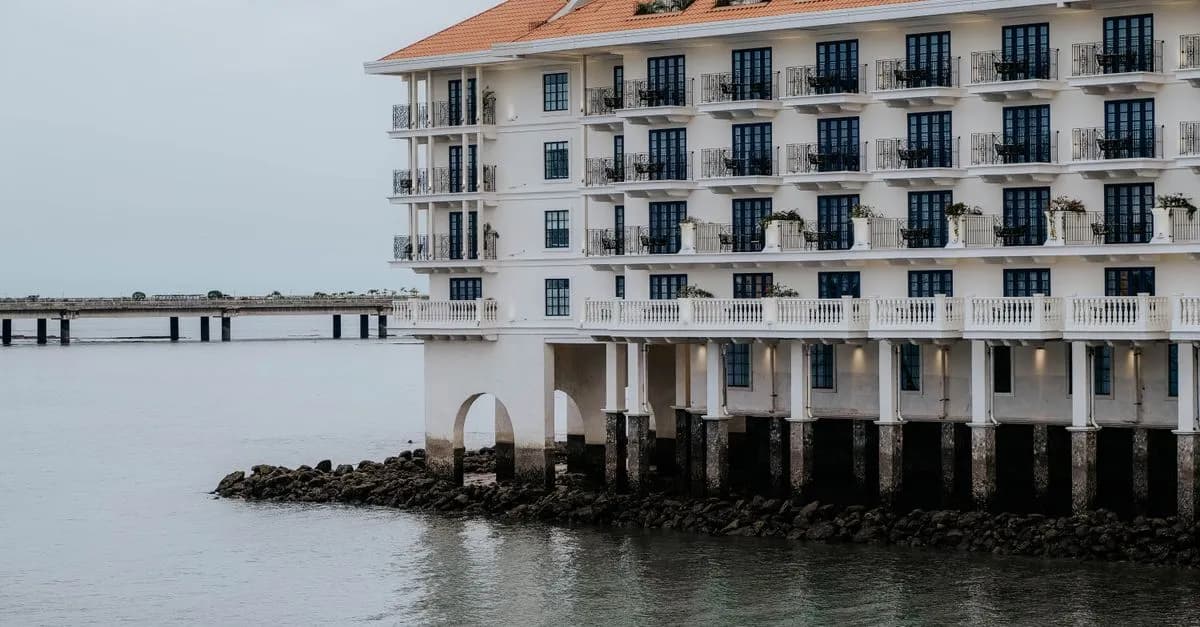
The Blue Economy is a development concept focused on the sustainable and responsible utilization of marine and coastal resources to foster economic growth while preserving the marine environment. This shift directly impacts the hospitality industry, which heavily relies on natural resources and pristine environments. This article will analyze both the positive and negative effects, as well as the opportunities and challenges hotels face in adapting to the blue economy trend.
What is the Blue Economy?
The Blue Economy is a broader concept than traditional marine economy, encompassing not only economic activities related to the sea such as fishing, shipping, and coastal tourism, but also the use of technology and innovation to add value, reduce environmental impact, and create long-term sustainability.
- Conservation: Emphasizes protecting marine ecosystems and biodiversity.
- Sustainable Resource Use: Promotes the use of renewable resources and waste reduction.
- Innovation: Supports research and development of new technologies for better marine resource management.
- Job Creation: Generates employment opportunities in new, sustainable ocean-related sectors.
Positive Impacts on the Hotel Industry
The Blue Economy brings new opportunities for hotels willing to adapt and invest in sustainable practices.
1. Attracting Environmentally Conscious Tourists
Today's travelers are increasingly environmentally aware and willing to pay more for hotels with policies and activities that support marine sustainability.
- Proactive Marketing: Hotels can leverage their sustainability efforts as a unique selling proposition, attracting target customers who wish to contribute to conservation.
- Enhanced Brand Image: Being a leader in sustainability helps strengthen a hotel's brand and reputation.
2. Creating Unique Experiences
Hotels can offer experiences linked to the blue economy to differentiate themselves and add value.
- Conservation Activities: Organize activities like underwater clean-ups, coral planting, or marine nature tours.
- Sustainable Seafood: Serve seafood sourced from responsible and certified fisheries.
- Eco-Friendly Design: Utilize natural materials, implement energy and water saving measures, and manage waste efficiently.
3. New Business Opportunities
The blue economy opens doors to new partnerships and services.
- Partnerships with Conservation Organizations: Collaborate with NGOs to organize conservation projects and social activities.
- Product and Service Development: Such as eco-tourism packages or sustainability-focused conferences and events.
Negative Impacts and Challenges
Despite the opportunities, the blue economy also presents challenges that hotels must address.
1. Higher Operating Costs
Investing in sustainable technologies and practices often entails significant upfront costs.
- Infrastructure Upgrades: Installing wastewater treatment systems, solar panels, or using eco-friendly materials.
- Sourcing Materials: Sustainable seafood or eco-friendly products may be more expensive.
2. Changing Regulations and Compliance
Governments and local authorities may introduce stricter regulations regarding resource use and waste management.
- Legal Compliance: Hotels must invest in upgrades and training to meet new standards.
- Operational Risk: Non-compliance can lead to fines or reputational damage.
3. Demand for Specialized Labor
Operating under the blue economy concept may require employees with specific knowledge and skills.
- Training: Staff need to be trained in environmental management, eco-friendly service, and communicating sustainability values.
- Recruitment: May require hiring sustainability experts or environmental managers.

Comparison: Adapting vs. Non-Adapting Hotels
Brand ImageSustainability leader, recognizedPerceived as outdated, irresponsibleCustomer BaseAttracts high-value, eco-conscious touristsPrice-focused, less loyal customersLong-term CostsSaves energy and water, reduces maintenance costsHigher costs from regulations, risk of finesRisk ExposureReduced legal and reputational risksRisk of lawsuits, reputational damage from environmental issuesBusiness OpportunitiesInnovates new services, collaborates with partnersLimited to traditional models, lacks innovationEmploymentCreates meaningful jobs, attracts younger generationFaces challenges in attracting and retaining staffRecommendations for Hotels to Adapt
To address the impacts of the blue economy, hotels should consider the following approaches:
- Impact Assessment: Understand how hotel operations affect marine and coastal environments.
- Establish Sustainability Policies: Develop clear policies and communicate them to staff and guests.
- Invest in Green Technologies: Consider renewable energy, wastewater treatment systems, and plastic reduction.
- Promote Sustainable Procurement: Choose suppliers that support eco-friendly production and services.
- Foster Collaboration: Work with local communities, conservation organizations, and government agencies.
- Educate and Train: Develop staff knowledge and skills in sustainable practices.
- Communicate Transparently: Report progress and results on sustainability to the public.

FAQ
H3: How does the blue economy differ from the traditional marine economy?
The blue economy emphasizes the sustainable and responsible use of marine resources, considering environmental and social conservation alongside economic growth. Traditional marine economy often focuses on maximizing resource exploitation for profit without sufficient regard for sustainability.
H3: Can small hotels adapt to the blue economy?
Absolutely. Small hotels can start with simple changes like reducing plastic use, conserving energy and water, supporting local products, and educating staff and guests. Larger investments can be phased in as budget allows.
H3: Is investing in sustainability worthwhile for hotels?
In the long run, investing in sustainability is often worthwhile. Hotels can save costs by reducing energy and water consumption, attract new segments of tourists willing to pay more, build a positive brand image, and mitigate risks from fines or reputational damage.
The blue economy is more than a trend; it's a crucial global development direction. Hotels that can adapt and integrate blue economy principles into their operations will not only gain a competitive advantage but also contribute to building a sustainable future for all.





![[3 ฟรี แปรง] BEAUTILAB A2P Concealer& Peach Corrector&Blue Corrector คอนซีลเลอร์ คอเรคเตอร์พีช และบลูคอเรคเตอร์](/_next/image?url=https%3A%2F%2Ffiles.rongramjobs.com%2Fuploads%2Foptimized%2Fth-11134207-81ztq-mpwy0qk8ygi595-1782697673958.webp&w=3840&q=75)