

In an era of rapid technological advancement, the hospitality industry has embraced innovation across all sectors, including food preparation and service. These technologies not only boost operational efficiency, reduce costs, and elevate hygiene standards, but also create memorable and novel dining experiences for guests. This article delves into the key technologies leading hotels worldwide are currently employing.
Kitchen Technologies: The Heart of Food Production
The hotel kitchen is the hub of culinary creation. Integrating technology is crucial for ensuring smooth and efficient operations.
Smart Kitchen Management Systems
- Inventory and Supply Management: Automated systems track ingredient levels, trigger automatic reorders when thresholds are met, and minimize waste.
- Menu Planning and Costing: Software helps calculate per-dish costs, analyze menu popularity, and optimize recipes.
- Temperature and Safety Monitoring: Smart sensors continuously monitor temperatures in refrigerators, freezers, and cooking equipment, ensuring food safety and reducing contamination risks.
Smart Cooking Equipment
- Programmable Ovens and Steamers: Allow precise setting of temperature, time, and humidity, leading to consistent results and reducing human error.
- Sous Vide Machines: Enable highly precise cooking, preserving the moisture and flavor of ingredients exceptionally well.
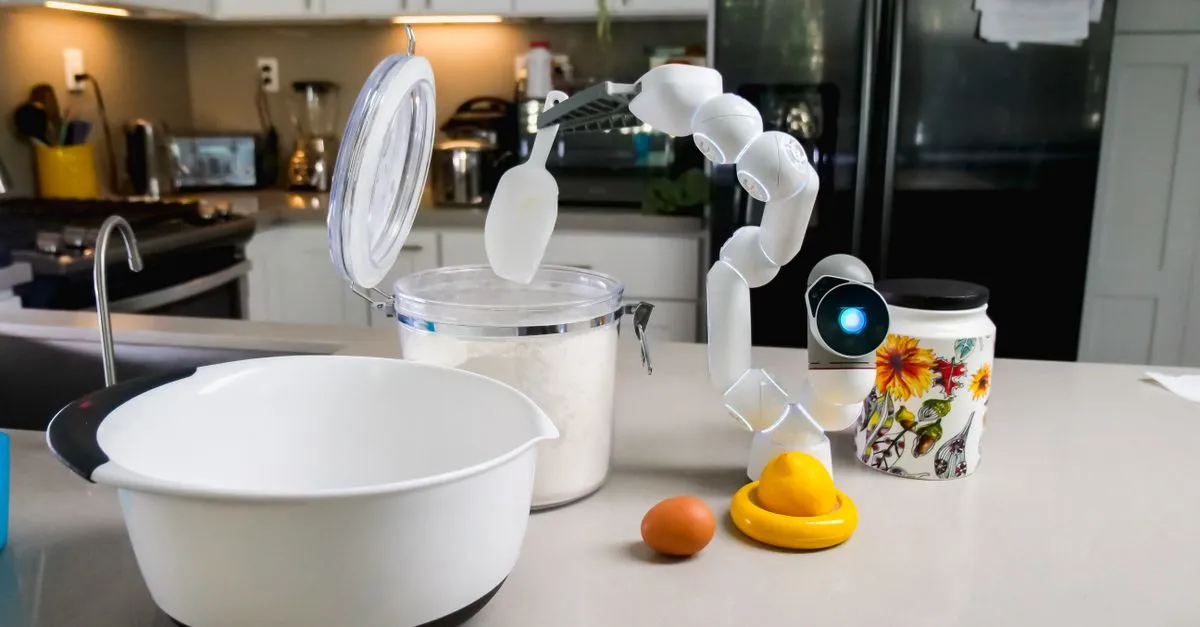
- Robotic Food Preparation: In some hotels, robots are used for repetitive tasks like chopping vegetables, mixing ingredients, or even making pancakes, increasing speed and reducing chef workload.
Technology in Food Service and Customer Experience
Beyond improving kitchen processes, technology plays a vital role in elevating the guest dining experience.
Digital Ordering & Payment Systems
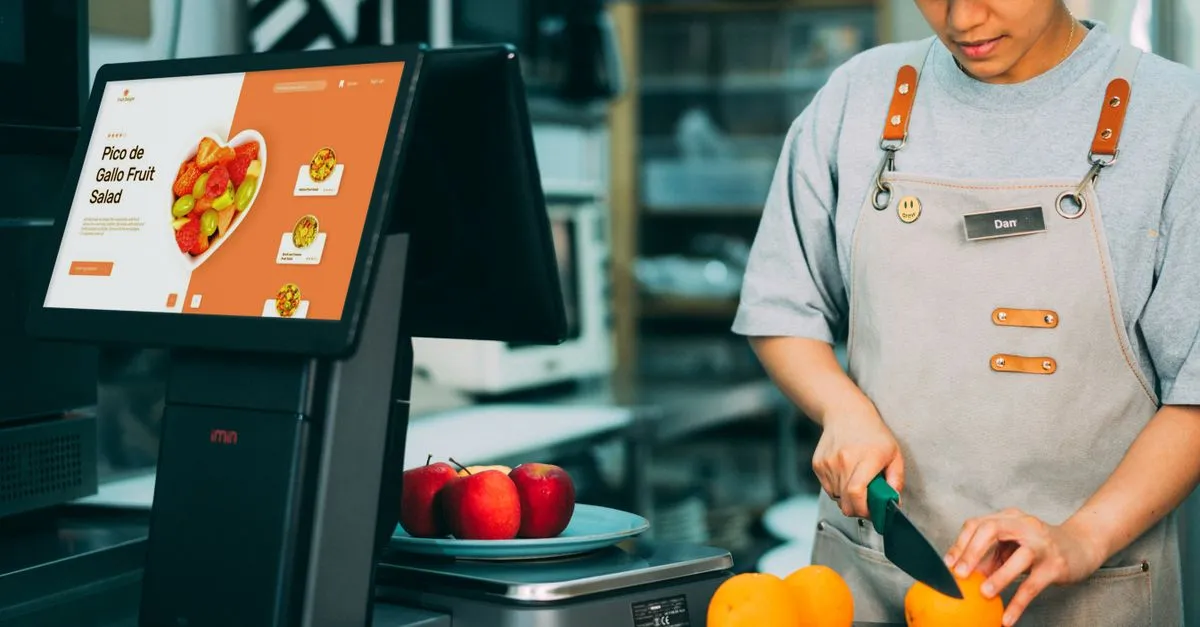
- Digital Menus: Tablets or QR codes replace paper menus, allowing guests to view detailed food information, images, ingredients, and allergen data.
- App-Based Ordering: Guests can order food from their rooms or pre-order before arriving at the restaurant, reducing wait times and enhancing convenience.
- Contactless Payment Systems: Mobile or contactless credit card payments make transactions faster and more secure.
Customer Data Analytics
- Personalized Experiences: AI systems can analyze guest dining habits, preferences, and order history to suggest tailored menus or promotions.
- Feedback Management: Online platforms help hotels quickly collect and analyze customer feedback for service improvement.
Ambiance Enhancing Technology
- Interactive Projectors and Displays: Create engaging and changeable atmospheres based on themes or times of day.
- Smart Sound Systems: Adjust sound levels and music types to suit different zones or periods.
Technology Comparison: Past vs. Present
Inventory ManagementManual records, visual checksERP systems, IoT sensors, auto-orderingCooking MethodsChef's skill-dependent, basic gas/electric stovesProgrammable equipment, Sous Vide, combi ovens, roboticsHygieneManual inspectionsAutomated temperature sensors, smart cleaning systemsOrderingStaff taking orders, paper menusApps, QR codes, digital menusPaymentCash, swipe credit cardsContactless, mobile payment, QR paymentData AnalysisLimited, based on observationAI, Big Data Analytics, CRMTrends and Future of Hotel Food Technology
The future of hotel food will continue to be driven by technology. We might see:
- Ghost Kitchens: Hotels may operate centralized, high-tech kitchens to produce food for multiple outlets or room service.
- 3D Food Printing: For complex food shapes or personalized menu creations.
- AI Chefs: Artificial intelligence systems capable of creating new recipes or customizing flavors to individual preferences.
- Sustainability Technologies: Systems that reduce food waste, optimize energy consumption, and source environmentally friendly ingredients.
FAQ
H3: How does technology help reduce hotel food costs?
Technology reduces costs through efficient inventory management, minimizing ingredient waste, optimizing cooking processes, and reducing the need for manual labor in certain tasks.
H3: Can small hotels implement these technologies?
Absolutely. While small hotels may not invest in large-scale systems, scalable technology solutions exist, such as smart POS systems, digital menus, or more affordable programmable kitchen equipment.
H3: Will technology replace all chefs and service staff?
No, technology will augment and enhance human work, reducing repetitive tasks and allowing chefs and staff to focus on creativity, personalized service, and complex problem-solving.
Adopting technology in hotel food services is not just a trend but a necessity for hotels to compete in the current and future markets. Understanding and selecting appropriate technologies will elevate food quality, operational efficiency, and provide memorable experiences for guests.



![[20ห่อ ] Botare GB/T 20808 Air Cushion Soft Tissue กระดาษทิชชู่ หนา 4 ชั้น 360 แผ่น](/_next/image?url=https%3A%2F%2Ffiles.rongramjobs.com%2Fuploads%2Foptimized%2Fcn-11134207-7ras8-m2hsn2b7otuc7a-1790834172448.webp&w=3840&q=75)





![Xmate ที่วางโทรศัพท์รถยนต์ พรมปูพื้นรถยนต์ ที่ติดโทรศัพท์ในรถยนต์ car holder [สินค้าแถมฟรี]](/_next/image?url=https%3A%2F%2Ffiles.rongramjobs.com%2Fuploads%2Foptimized%2Fsg-11134201-824h7-mpud38yiascha6-1782534886338.webp&w=3840&q=75)