

Hotel food is not merely about satisfying hunger; it's a vital component that can elevate a guest's stay into a special and unforgettable experience. Creative menus, high-quality ingredients, beautiful presentation, and excellent service all profoundly impact guest satisfaction and impression. This article delves into the strategies and approaches hotels use to make food more than just a meal, but an integral part of a memorable journey.
Food: The Heart of Hotel Service
In the hospitality industry, Food & Beverage (F&B) is not just a department but a critical element that reflects a hotel's standards and identity. Investing in food is an investment in creating lasting impressions and customer loyalty.
Crafting Outstanding Menus
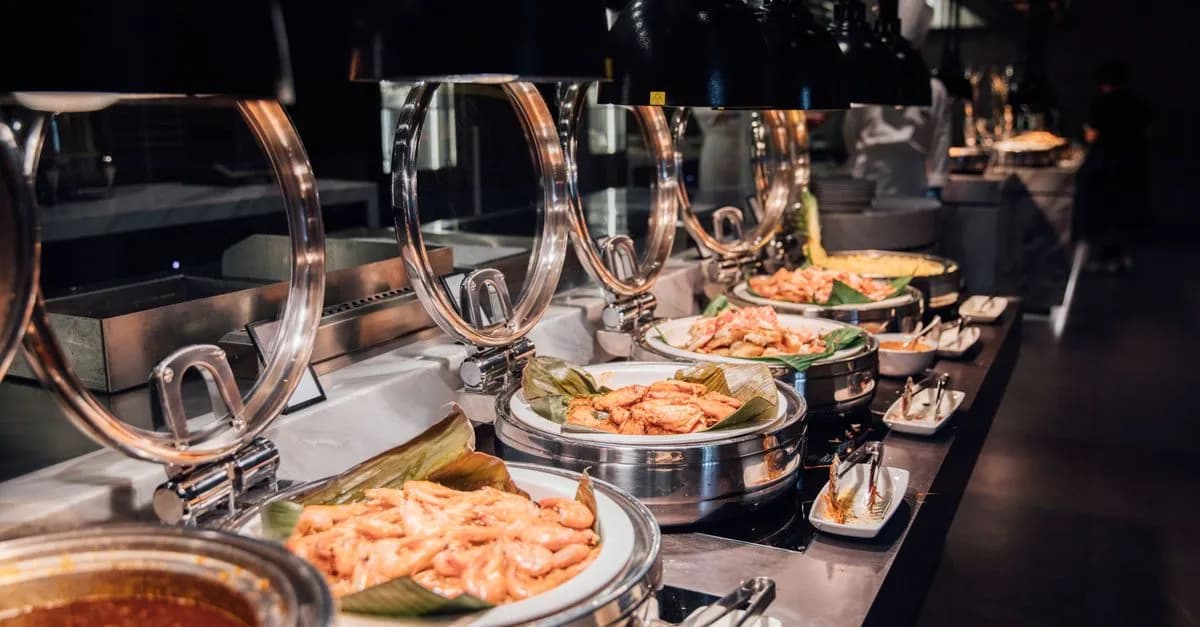
- Variety and Uniqueness: Leading hotels often offer diverse menus, from local dishes reflecting culture to premium international cuisine. Unique or signature dishes help create differentiation.
- Quality Ingredients: Using fresh, safe, and high-quality ingredients is crucial for taste and guest health. Many hotels source ingredients locally to support communities and add a story to their food.
- Meeting Specific Needs: Preparing meals for guests with dietary restrictions, such as vegetarian, vegan, gluten-free, or allergy-friendly options, demonstrates exceptional care and service.
Presentation and Ambiance: Art on the Table
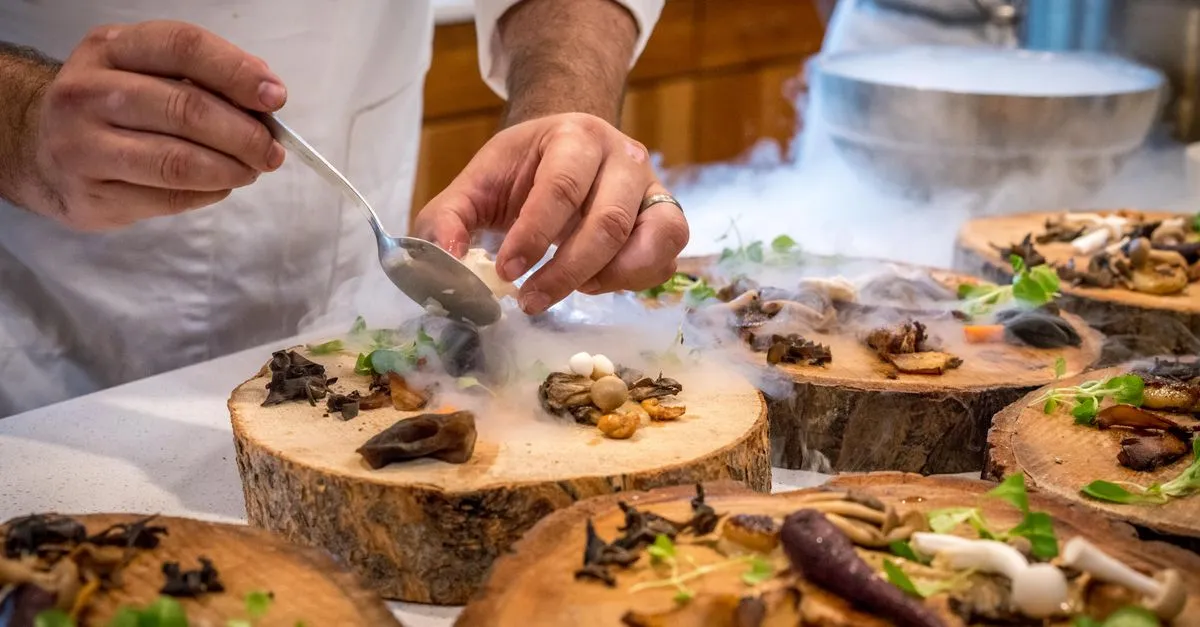
Beyond taste, presentation and ambiance are also extremely important in creating a memorable dining experience.
Plating and Decoration
- Visual Appeal: Meticulous and beautiful plating is like a work of art that stimulates appetite and creates excitement before the first bite.
- Tableware and Utensils: Selecting high-quality and well-designed tableware, plates, and cutlery that match the food and hotel's theme enhances the feeling of luxury and exclusivity.
Restaurant Ambiance
- Design and Decor: The interior design of the restaurant, including lighting, colors, sound, and furniture, all influence the guest's mood and feelings while dining.
- Music and Scent: Appropriate music and subtle fragrances can create a relaxing or special atmosphere.
Service Beyond Expectation: The Core of Experience Creation
Even with delicious food and excellent ambiance, the overall experience may be incomplete without outstanding service.
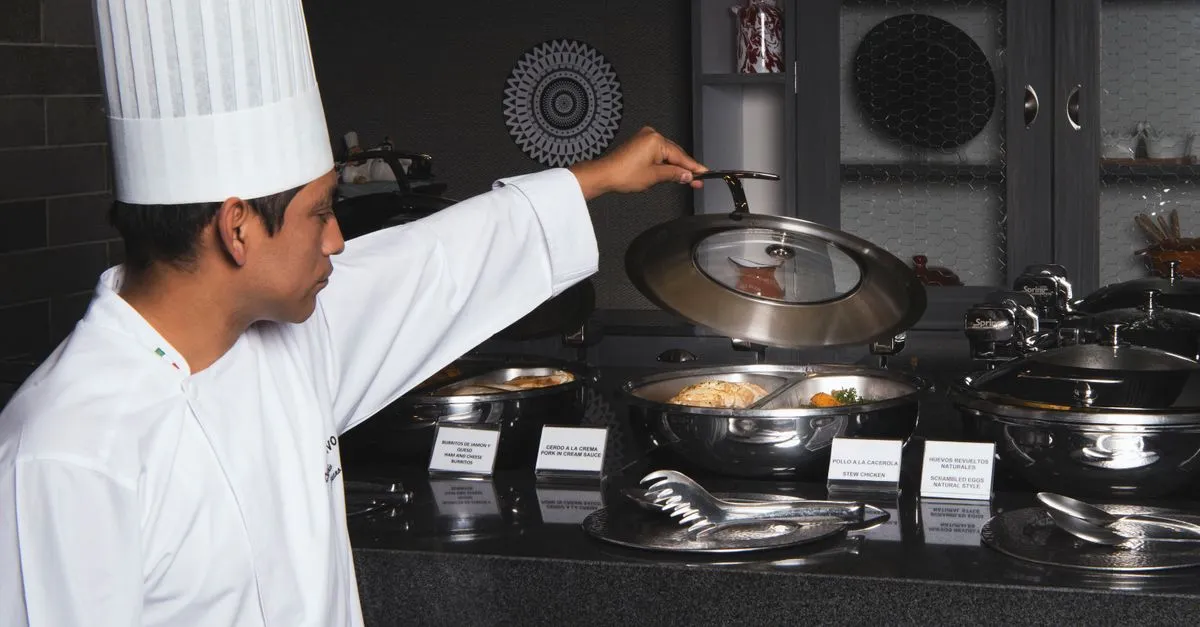
Knowledgeable and Professional Staff
- Menu Knowledge: Staff who can provide detailed information about ingredients, preparation methods, and the story behind the dishes demonstrate professionalism.
- Recommendations and Advice: Recommending suitable dishes based on guest preferences or pairing food with appropriate beverages adds value to the experience.
Attention to Detail
- Remembering Guest Preferences: Recalling personal preferences of returning guests, such as their favorite drinks or dietary restrictions, shows special attention.
- Prompt Problem Resolution: Quickly and effectively addressing issues or complaints about food and service can turn a negative experience into a positive one.
Comparison: Hotel Dining vs. External Restaurants
VarietyHigh (often multiple restaurants, styles)Moderate (often specialized)Ingredient QualityHigh (often premium and source-focused)Varied (depends on type and price)PresentationRefined, meticulousVaried (depends on type)AmbianceDesigned for a complete experienceVaried (often specialized)ServiceFocus on personalization, attention to detailFocus on efficiency and standardsConvenienceHigh (room service, open longer hours)Moderate (fixed opening/closing hours)PriceHigher (includes experience and service)Varied (more accessible)From the comparison table, it's evident that hotel dining often prioritizes a holistic experience beyond just eating, focusing on convenience, luxury, and personalized service, which general restaurants may not be able to match.
FAQ
H3: Why is hotel breakfast important?
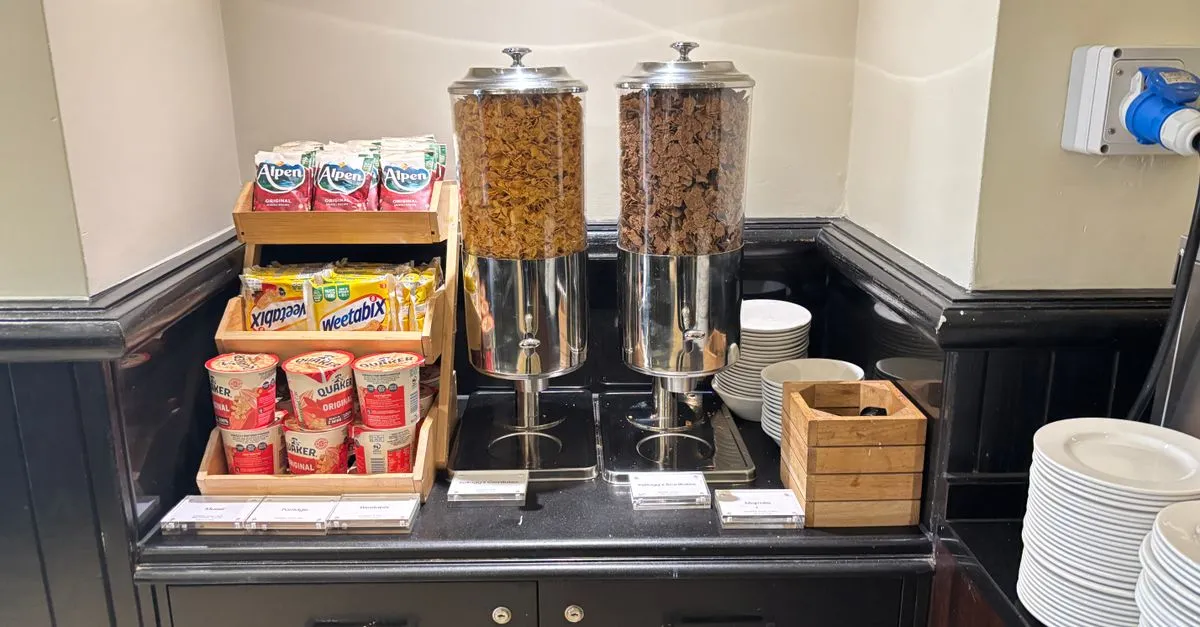
Breakfast is the first meal of the day and often a guest's initial impression of a hotel's food offerings. Providing a diverse, high-quality breakfast with excellent service can create satisfaction and be a key factor in guests choosing to return.
H3: How should hotels adapt to current food trends?
Hotels should monitor food trends such as healthy eating, plant-based diets, or sustainable food practices to meet the demands of modern guests. Offering diverse options and culinary innovations will give hotels a competitive edge.
Summary
Hotel food is more than just dining; it's an integral part of creating memorable and special guest experiences. Investing in food quality, beautiful presentation, pleasant ambiance, and service that exceeds expectations are all crucial factors that lead to guest satisfaction and repeat visits. Understanding and paying attention to every detail of the dining experience will help hotels differentiate themselves and thrive in a highly competitive market.


![[โทนสีธรรมชาติ แฟชั่น] ดีแคช มาสเตอร์ ซูพรีม คัลเลอร์ ครีม 100 มล. Dcash Master Supreme Natural Shine (ครีมย้อมผม ยาย้อม](/_next/image?url=https%3A%2F%2Ffiles.rongramjobs.com%2Fuploads%2Foptimized%2Fth-11134207-81zte-mfc3kyg5aia58e-1782532762021.webp&w=3840&q=75)
![[Music Flower] Photo Genic รองพื้นเนื้อครีมบางเบากันน้ำคุมมัน ไม่เหนียวเหนอะหนะ 30 ML.](/_next/image?url=https%3A%2F%2Ffiles.rongramjobs.com%2Fuploads%2Foptimized%2Fth-11134207-81ztg-mfc1l5gkykga16-1782697675738.webp&w=3840&q=75)