

Adapting hotel menus seasonally is more than just changing dishes; it's a vital strategy reflecting an understanding of ingredients, sustainability, and evolving consumer demands. Offering seasonal menus not only enhances food freshness and quality but also serves as a powerful marketing tool, creating differentiation and memorable experiences for guests. This adaptation also positively impacts cost management and the hotel's long-term brand image.
Why Hotels Should Adopt Seasonal Menus
Seasonal menu adaptation offers numerous benefits, encompassing quality, efficiency, and marketing.
- Freshness and Quality: Seasonal ingredients are typically at their peak freshness, offer the best flavor, and have higher nutritional value.
- Cost Reduction: Seasonal ingredients are often more affordable and readily available due to their abundance in the market.
- Sustainability: Utilizing local and seasonal produce reduces transportation needs, lowers carbon footprints, and supports local farmers.
- Enhanced Guest Experience: Menus that change with the seasons create excitement and anticipation for guests, giving them a reason to return.
- Marketing and Brand Image: Demonstrates the hotel's commitment to quality, creativity, and social responsibility.
Strategies and Best Practices for Menu Adaptation
Adapting menus seasonally requires careful planning and a clear strategy.
1. Ingredient Analysis and Planning
- Market Research: Identify which ingredients are in season locally during specific periods.
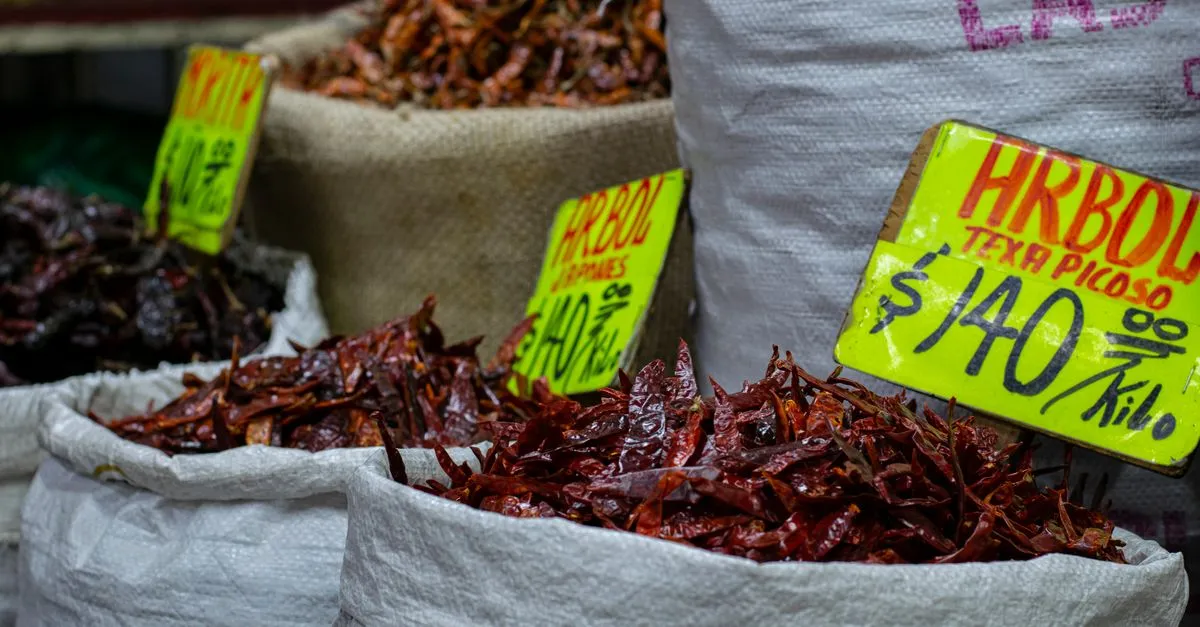
- Supplier Collaboration: Build strong relationships with local farmers and producers to secure high-quality ingredients at reasonable prices.
- Ingredient Calendar: Create a schedule outlining key ingredients available each season to aid in menu planning.
2. Menu Design
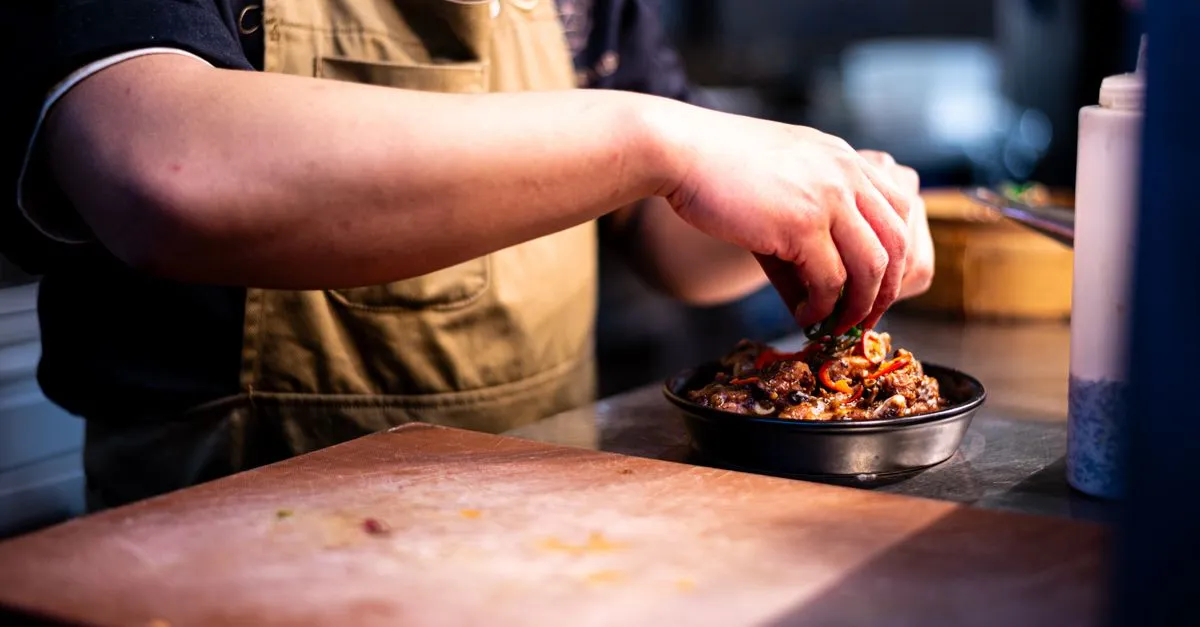
- Chef Creativity: Empower chefs to showcase their skills and creativity in developing new dishes using seasonal ingredients.
- Menu Balance: Ensure variety in the menu, considering food types, flavors, and cooking methods to cater to diverse guest preferences.
- Testing and Tasting: Before launching new menus, conduct thorough testing and tasting sessions to ensure quality and taste.
3. Communication and Marketing
- Storytelling: Share the story behind the ingredients, their origin, or the chef's inspiration to add value to the menu.
- Communication Channels: Utilize various channels such as websites, social media, in-room brochures, or staff recommendations to promote seasonal menus.
- Staff Training: Service staff should be knowledgeable about new menu items to confidently recommend and answer guest questions.
Case Study: Comparing Approaches
To gain deeper insight, let's compare the approaches of two different hotel types.
Small Boutique Hotel vs. Large Chain Hotel
Menu FlexibilityVery high, can adapt quickly based on daily ingredient availability.Moderate to low, more complex approval processes, but greater resources.Ingredient SourcingFocuses on direct sourcing from local farmers, building close relationships.Extensive supplier network, may have centralized purchasing but can also support local policies.MarketingEmphasizes unique stories, individuality, and personalized experiences.Focuses on branding, consistency, and promotions reaching a large customer base.ChallengesManaging limited ingredient stock, price fluctuations.Complexity in managing menus across multiple locations, maintaining standards.OpportunitiesBuilds strong customer loyalty through unique experiences.Leverages size and reputation to influence market and trends.As seen, despite different constraints, both hotel types can implement seasonal menu adaptation, tailoring it to their specific context and resources.
FAQ
H3 How does seasonal menu adaptation help reduce costs?
Using seasonal ingredients helps reduce costs because these ingredients are abundant in the market, leading to lower prices, and it also cuts down on transportation expenses from distant sources.
H3 How can small hotels compete with larger hotels in seasonal menu adaptation?
Small hotels can gain an advantage by focusing on relationships with local farmers, offering unique stories, and creating personalized experiences that larger hotels might find more challenging to replicate.
H3 What food trends influence seasonal menu adaptation?
Key trends include demand for healthy eating, plant-based diets, sustainability, and support for local produce, all of which promote the use of seasonal ingredients.
Adapting hotel menus seasonally is a smart and sustainable strategy. It not only elevates the guest experience but also enables hotels to manage costs efficiently and build a positive long-term brand image. For those interested in F&B careers or hotel management, understanding these principles will undoubtedly enhance their value and career growth opportunities. Read more about F&B trends


![[โทนสีธรรมชาติ แฟชั่น] ดีแคช มาสเตอร์ ซูพรีม คัลเลอร์ ครีม 100 มล. Dcash Master Supreme Natural Shine (ครีมย้อมผม ยาย้อม](/_next/image?url=https%3A%2F%2Ffiles.rongramjobs.com%2Fuploads%2Foptimized%2Fth-11134207-81zte-mfc3kyg5aia58e-1782532762021.webp&w=3840&q=75)
![[Music Flower] Photo Genic รองพื้นเนื้อครีมบางเบากันน้ำคุมมัน ไม่เหนียวเหนอะหนะ 30 ML.](/_next/image?url=https%3A%2F%2Ffiles.rongramjobs.com%2Fuploads%2Foptimized%2Fth-11134207-81ztg-mfc1l5gkykga16-1782697675738.webp&w=3840&q=75)