
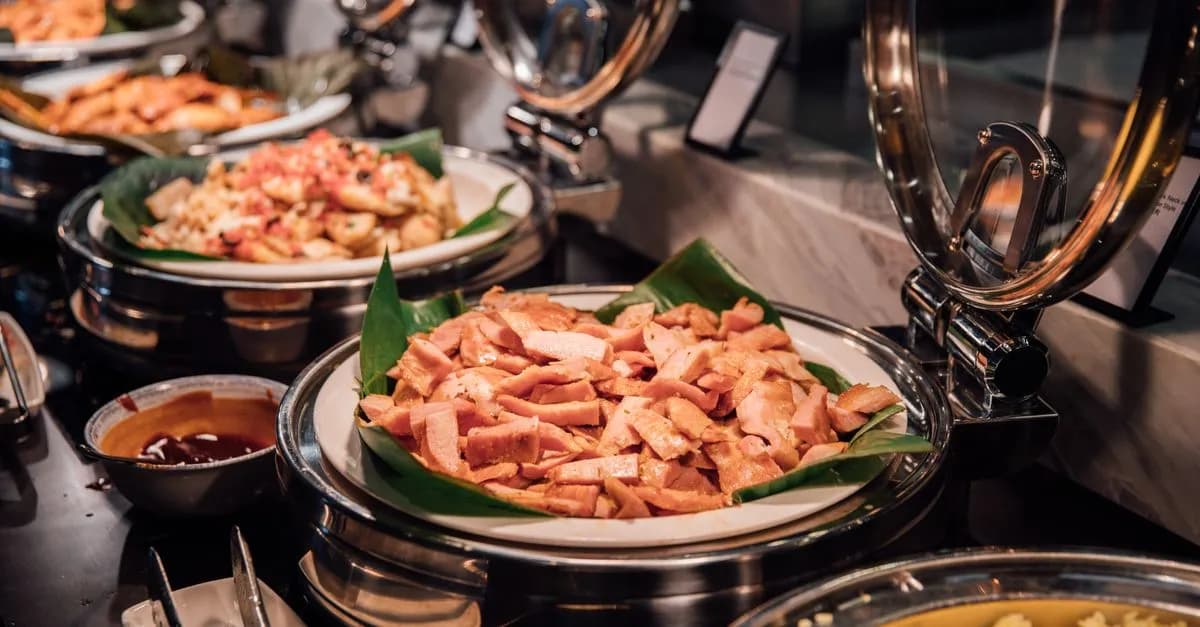
Food Cost Analysis: The Starting Point for Reduction
Before embarking on cost reduction, it's essential to understand the hotel's current cost structure. A detailed analysis will help identify areas for improvement.
- Calculating Food Cost Percentage (FCP):
Formula: (Cost of Goods Sold / Food Revenue) x 100
Regular FCP tracking provides an overview and trend of costs. - Reviewing Cost Per Dish:
Analyze the cost of each menu item in detail, including raw materials, labor, and hidden expenses, to identify less profitable or excessively high-cost dishes. - Benchmarking Against Industry Standards:
Hotels should compare their FCP against industry averages or competitors to assess efficiency and pinpoint areas for improvement.

Raw Material Cost Reduction Strategies (Procurement)
Procurement of raw materials is central to controlling food costs. Hotels can employ various strategies to acquire quality ingredients at reasonable prices.
Supplier Selection and Negotiation
- Multiple Suppliers: Avoid relying on a single supplier. Having options allows for price and quality comparison.
- Long-Term Negotiations: Establishing long-term purchasing contracts with suppliers can secure special pricing and volume discounts.
- Consolidated Purchasing: If a hotel has multiple branches or departments, consolidating orders increases bargaining power.
Stock and Inventory Management
- FIFO (First-In, First-Out) System: To minimize spoilage and expiration of raw materials.
- Strict Inventory Control: Utilize an Inventory Management System to accurately track the inflow and outflow of ingredients, preventing loss and waste.
- Just-In-Time Ordering: Order raw materials in quantities that match immediate needs to reduce storage costs and minimize spoilage risk.
Optimizing Kitchen Operations (Operational Efficiency)
Efficient kitchen management can directly lead to cost reductions.
Menu Planning and Portion Control
- Smart Menu Design: Choose versatile ingredients that can be used in multiple dishes (cross-utilization) to reduce unnecessary purchases.
- Portion Control: Establish precise portion sizes for each menu item to control costs and maintain consistency.
- Seasonal Menus: Seasonal ingredients are often cheaper and fresher.
Waste Reduction
- Staff Training: Educate staff on food preparation techniques that minimize waste, such as maximizing yield from vegetable cuts.
- Creative Use of Leftovers: Transform vegetable scraps or meat trimmings into stocks, soups, or special menu items.
- Waste Tracking and Analysis: Record the type and quantity of waste to identify causes and implement solutions.
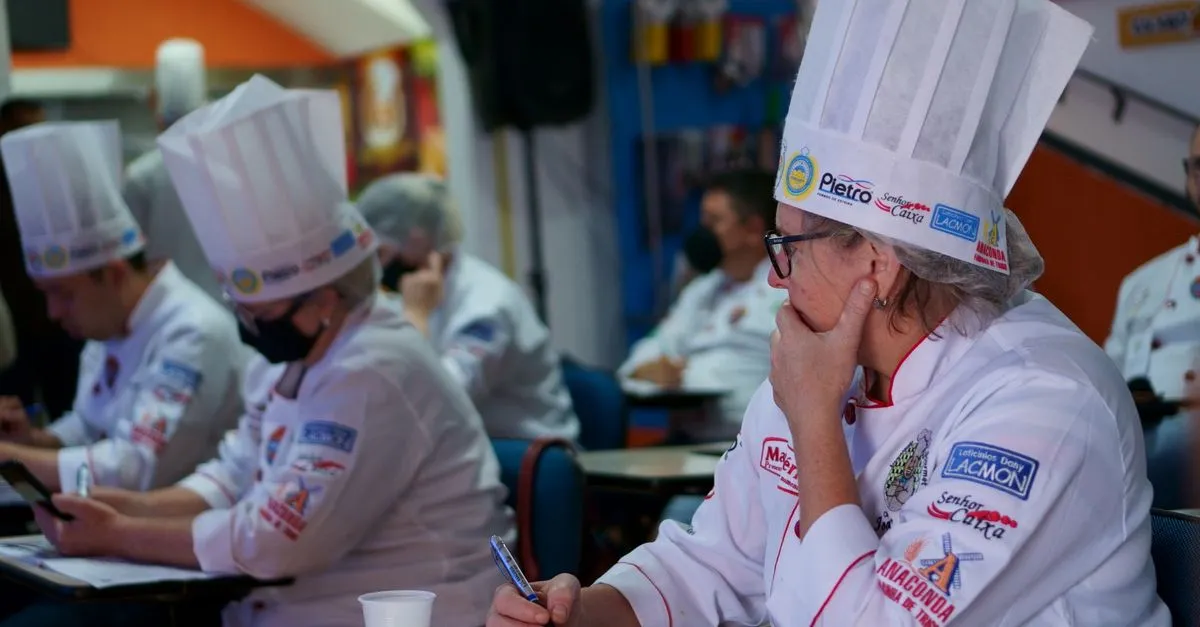
Leveraging Technology and Innovation
Technology can be a key tool in reducing food costs.
- POS (Point of Sale) Systems: Help track sales of various menu items, enabling better purchasing planning and inventory management.
- Recipe Management Software: Accurately calculates cost per dish and allows for recipe adjustments to reduce costs.
- Energy-Efficient Kitchen Equipment: Investing in modern, energy-saving equipment reduces long-term utility expenses.
Comparison: Small vs. Large Hotels
Supplier Bargaining PowerMore limited, may need to group with other hotelsHigher, can more easily negotiate better prices and termsInventory ManagementSimpler, easier to control manuallyMore complex, requires sophisticated inventory management systemsMenu FlexibilityHigher, can adapt menus quickly based on available ingredientsLower, must consider brand standards and imageTechnology InvestmentBudget may be limited, focus on cost-effective solutionsLarger budgets, can invest in complex systemsWaste ControlEasier to manage due to smaller volumesRequires stringent systems and processes to control large quantities of wasteFAQ
Q: Will reducing food costs affect food quality?
A: Not necessarily. With good planning, cost reduction should focus on increasing efficiency, reducing waste, and smart procurement, without compromising the quality of core ingredients and taste.
Q: How many suppliers should be used for key ingredients?
A: For critical key ingredients, it's advisable to have at least 2-3 backup suppliers to ensure reliable sourcing and consistent price comparison.
Q: How does staff training contribute to cost reduction?
A: Training staff in effective ingredient management, efficient food preparation, and waste reduction techniques helps minimize waste and improve overall operational efficiency, directly impacting cost reduction.
Reducing food costs in hotels is a process that demands careful planning, continuous data analysis, and the implementation of appropriate strategies. Whether it's procurement management, optimizing kitchen operations, or leveraging technology, these actions will enable hotels to enhance profitability and maintain service quality sustainably. This is crucial for success in the highly competitive hospitality industry.









![[ 2 ฟรี 1 ] Kodomo แป้งเด็ก โคโดโม 350 กรัม อยู่ในระหว่างเปลี่ยนแปลงแพ็กเกจ](/_next/image?url=https%3A%2F%2Ffiles.rongramjobs.com%2Fuploads%2Foptimized%2Fth-11134207-81zto-mpu8i4q4tlvv7d-1782447881250.webp&w=3840&q=75)