

Reducing food costs in the hotel business is crucial for increasing profitability and maintaining competitiveness, especially in an ever-changing market. Efficient food cost management not only helps hotels earn more profit but can also lead to improved quality and reduced waste. This article will present in-depth approaches and sustainable strategies for reducing hotel food costs without sacrificing quality and customer experience.
Analyze Current Situation and Set Goals
Before implementing any cost reduction measures, a thorough understanding of the current food cost situation is essential.
1. Food Cost Analysis
- Calculate Food Cost Percentage: (Cost of Goods Sold / Food Revenue) x 100% to determine the proportion of cost to revenue.
- Categorize Costs: Divide costs into fresh produce, dry goods, frozen items, and others to identify areas of highest expenditure.
- Track Waste: Record all waste generated at every stage, from purchasing and storage to preparation and serving.
2. Set Clear Objectives
- Quantitative Goals: For example, reduce Food Cost Percentage by 2% within 6 months.
- Qualitative Goals: Such as reducing raw material waste by 10% or increasing customer satisfaction without increasing costs.
Strategies for Hotel Food Cost Reduction
Reducing food costs requires comprehensive planning and execution, from procurement to menu management.
1. Smart Procurement Management
- Negotiate with Suppliers: Build strong relationships with multiple suppliers and regularly compare prices, quality, and payment terms. Bulk purchasing may lead to better prices, but consider storage and spoilage.
- Centralized Purchasing: If a hotel has multiple branches, centralizing purchasing can increase bargaining power and reduce costs.
- Choose Seasonal Ingredients: Seasonal ingredients are often cheaper, fresher, and of better quality.
- Consider Local Produce: Support local farmers, reduce transportation costs, and differentiate your menu.
2. Inventory Control
- FIFO System (First-In, First-Out): Use older inventory first to minimize spoilage and expiration.
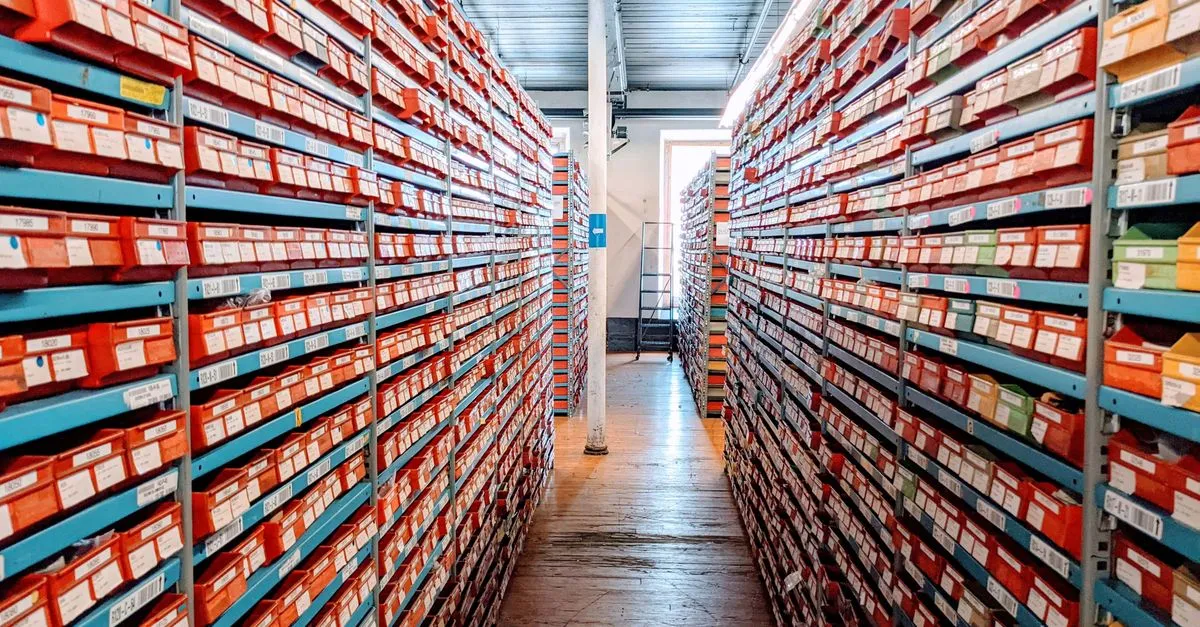
- Regular Stocktaking: Conduct frequent inventory checks (daily, weekly) to prevent loss, theft, and over-ordering.
- Proper Storage: Store ingredients at appropriate temperatures, clearly categorized, to extend shelf life and reduce contamination.
3. Menu Design & Engineering
- Analyze Popularity and Profitability: Use Menu Engineering techniques to identify high-popularity, high-profit items (Stars) and items that should be improved or removed (Puzzles, Plow Horses, Dogs).
- Maximize Ingredient Utilization: Design menus that can use the same ingredients in multiple dishes to reduce waste and improve stock efficiency.
- Appropriate Portion Sizes: Define precise portion sizes to control costs and reduce plate waste from customers.
- Offer Daily/Weekly Specials: Utilize excess or nearly expired ingredients by creating special dishes.
4. Kitchen Production Management
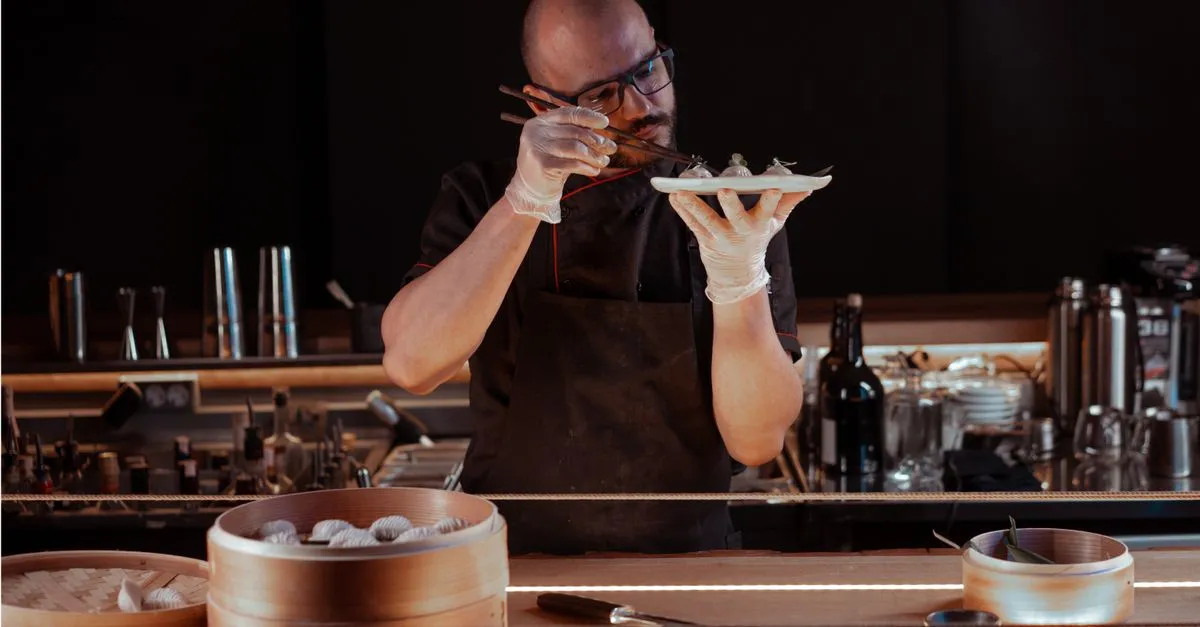
- Staff Training: Educate staff on waste reduction, proper knife skills, efficient ingredient preparation, and portion control.
- Technology Adoption: Consider using POS (Point of Sale) systems to track sales and ingredient usage, or ERP (Enterprise Resource Planning) systems for inventory and supply chain management.
- Waste Reduction:
- Pre-consumer waste: Reduce waste from preparation (e.g., peeling, trimming) through proper training and techniques.
- Post-consumer waste: Analyze plate waste from customers to adjust portion sizes or improve recipes.
- Upcycling Ingredients: Transform usable food scraps into soups, stocks, or sauces.
5. Adopting Technology and Innovation
- Automated Inventory Management Systems: Improve stock accuracy and reduce manual counting errors.
- Data Analytics Software: Analyze sales trends to forecast ingredient demand more accurately.
- Energy-Efficient Kitchen Equipment: Reduce long-term energy costs.
Strategy Comparison: Short-term vs. Long-term
Supplier NegotiationImmediate cost reductionStronger relationships, special pricingTime-consuming, may require changing suppliersInventory ControlReduces waste, frees up capitalIncreases operational efficiency, reduces spoilageRequires discipline, staff trainingMenu Adjustment (Portion)Immediate cost per dish reductionIncreased profit per dish, reduced plate wasteRequires detailed analysis, may affect satisfaction if not done wellStaff TrainingMay not show immediate resultsIncreased efficiency, long-term waste reductionRequires investment in time and training costsTechnology AdoptionMay not show immediate resultsReduces errors, increases accuracy, saves laborHigh initial investment, requires adaptation timeCase Study: Hotel A's 15% Food Cost Reduction
Hotel A faced a high Food Cost Percentage of 35%. Management initiated a cost reduction project with the following steps:
- Data Analysis: Identified significant waste from preparation and storage (8% of total cost) and several low-profit, high-cost menu items.
- Improved Procurement: Negotiated with 3 new suppliers, resulting in similar quality ingredients at an average 5% lower price. Increased purchasing of seasonal ingredients.
- Inventory Control: Strictly implemented the FIFO system and conducted daily stock counts for fresh produce, reducing spoilage by 3%.
- Menu Engineering: Slightly adjusted portion sizes for some popular items and removed 5 low-profit items, while introducing special dishes using surplus ingredients.
- Staff Training: Conducted training for chefs and kitchen staff on food preparation techniques to reduce waste and utilize all parts of ingredients.
Results: Within 9 months, Hotel A reduced its Food Cost Percentage to 29.75%, representing a 15% cost reduction, while maintaining customer satisfaction scores.
FAQ
H3: Will reducing food costs affect food quality?
Not necessarily. If done smartly, cost reduction focuses on minimizing waste, increasing efficiency, and selecting cost-effective ingredients while maintaining quality standards and taste.
H3: Where should I start with cost reduction?
Begin with a detailed analysis of current costs to identify areas with the most waste or where improvements can be made quickly and effectively, such as inventory control and supplier negotiations.
H3: How can technology help reduce food costs?
Technology improves inventory accuracy, enhances ingredient demand forecasting, reduces manual errors, and provides data analysis for more effective decision-making.
Reducing food costs in hotels is a process that requires understanding, good planning, and continuous implementation. Adopting these strategies will help your hotel achieve sustainable profitability without abandoning the core of hospitality: quality and excellent customer experience.



![[20ห่อ ] Botare GB/T 20808 Air Cushion Soft Tissue กระดาษทิชชู่ หนา 4 ชั้น 360 แผ่น](/_next/image?url=https%3A%2F%2Ffiles.rongramjobs.com%2Fuploads%2Foptimized%2Fcn-11134207-7ras8-m2hsn2b7otuc7a-1790834172448.webp&w=3840&q=75)





![Xmate ที่วางโทรศัพท์รถยนต์ พรมปูพื้นรถยนต์ ที่ติดโทรศัพท์ในรถยนต์ car holder [สินค้าแถมฟรี]](/_next/image?url=https%3A%2F%2Ffiles.rongramjobs.com%2Fuploads%2Foptimized%2Fsg-11134201-824h7-mpud38yiascha6-1782534886338.webp&w=3840&q=75)