Planning a solo international budget trip is entirely achievable with thorough preparation and smart choices. Focus on selecting suitable destinations, managing expenses efficiently, and utilizing available resources to ensure a smooth journey and a rewarding experience without needing a large budget.
Choose the Right Destination
The country you choose significantly impacts your overall expenses. Consider destinations with a lower cost of living.
- Southeast Asian Countries: Such as Vietnam, Laos, Cambodia, parts of Indonesia, and the Philippines, offer relatively low costs for food, accommodation, and local transportation.
- Eastern European Countries: Countries like Poland, Hungary, and the Czech Republic have a significantly lower cost of living compared to Western Europe.
- South American Countries: Bolivia and parts of Peru are also interesting options for a limited budget.
Effective Budget Management
Controlling expenses is key to budget travel.
Flight Tickets
- Book in Advance: It's advisable to book flights several months ahead, especially during off-peak seasons.
- Use Budget Airlines: Compare prices from various airlines and consider flights with layovers.
- Utilize Points/Miles: If you have credit cards with reward points or frequent flyer miles, you can redeem them for discounts or free flights.
Accommodation
- Hostels/Guesthouses: These are the best options for solo budget travelers, offering dormitory rooms that are much cheaper than hotels, and opportunities to meet new people.
- Airbnb/Homestays: If you prefer more privacy, consider these options, which can be cheaper than hotels and offer a local experience.
- Couchsurfing: This allows you to stay for free with locals, but requires careful planning and vetting of hosts.
Food
- Eat Local: Avoid tourist-trap restaurants. Opt for street food, local markets, or eateries popular with residents.
- Cook Your Own Meals: If your accommodation has a kitchen, buying groceries and cooking can save a significant amount of money.
- Carry Water: Bring a reusable water bottle and refill it at various points to cut costs and reduce plastic waste.

Local Transportation
Choose economical and safe transportation methods.
- Public Transport: Buses, subways, and trains are the cheapest ways to travel within cities and between them.
- Walking/Cycling: For short distances, walking or renting a bicycle is a great way to explore a city and save money.
- Intercity Buses/Trains: For longer journeys between cities or countries, these are often much cheaper than flying.
Activities and Sightseeing
Select valuable and inexpensive activities.
- Free Attractions: Public parks, some museums (with free admission days), temples, churches, or simply exploring the city on foot.
- Free Walking Tours: Available in many major cities, guides lead tours of key sights and provide interesting information (tips are usually given based on satisfaction).
- Purchase Combo Passes: If you plan to visit multiple attractions, consider buying a pass that includes entry to several places, which is often cheaper than buying individual tickets.
Additional Tips
- Travel Insurance: Even on a budget trip, travel insurance is crucial for covering emergencies.
- Local SIM Card: Purchase a local SIM card for communication and information access.
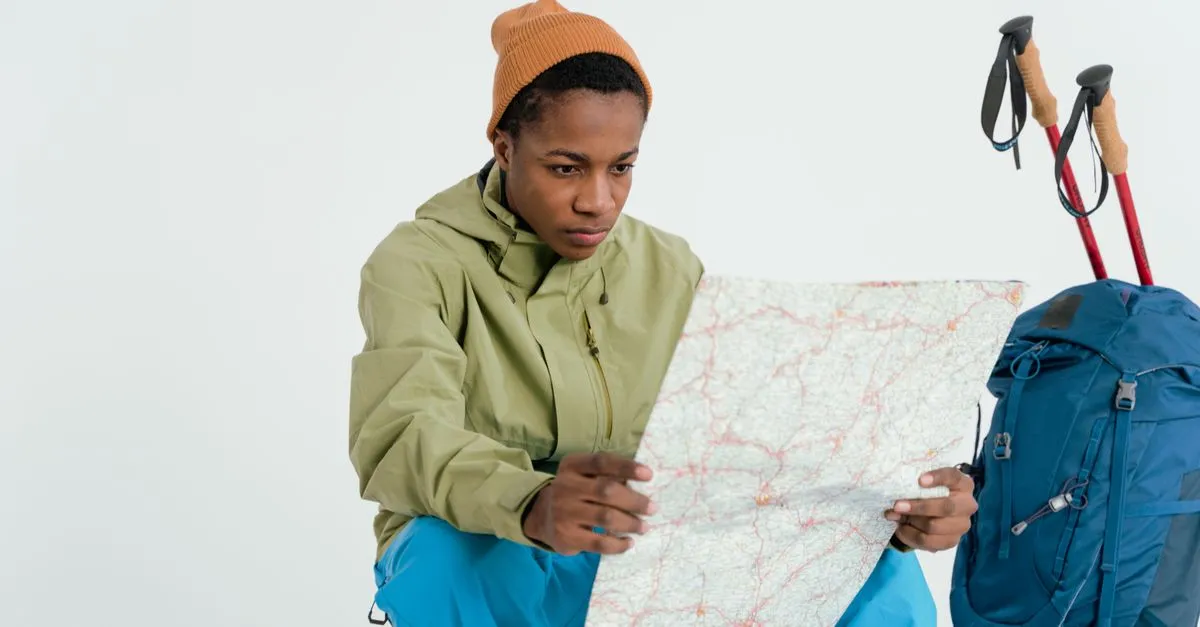
- Travel Apps: Use mapping apps (Google Maps), translation apps, and accommodation/ticket booking apps for convenience.
- Learn Basic Phrases: Learning simple phrases in the local language can facilitate communication and make it easier to get help from locals.
- Pack Essentials: Bring necessary personal items to avoid buying overpriced goods.
FAQ
H3: How much budget should I prepare for a solo international trip?
The budget depends on the country and duration of travel, but generally, with good planning, you might start from 30-60 USD per day (excluding flights) for Southeast Asian countries.
H3: Is solo travel safe?
Solo travel is safe if you plan well, stay vigilant, avoid walking alone in isolated areas at night, and inform your close contacts about your travel plans.
H3: What currency should I exchange?
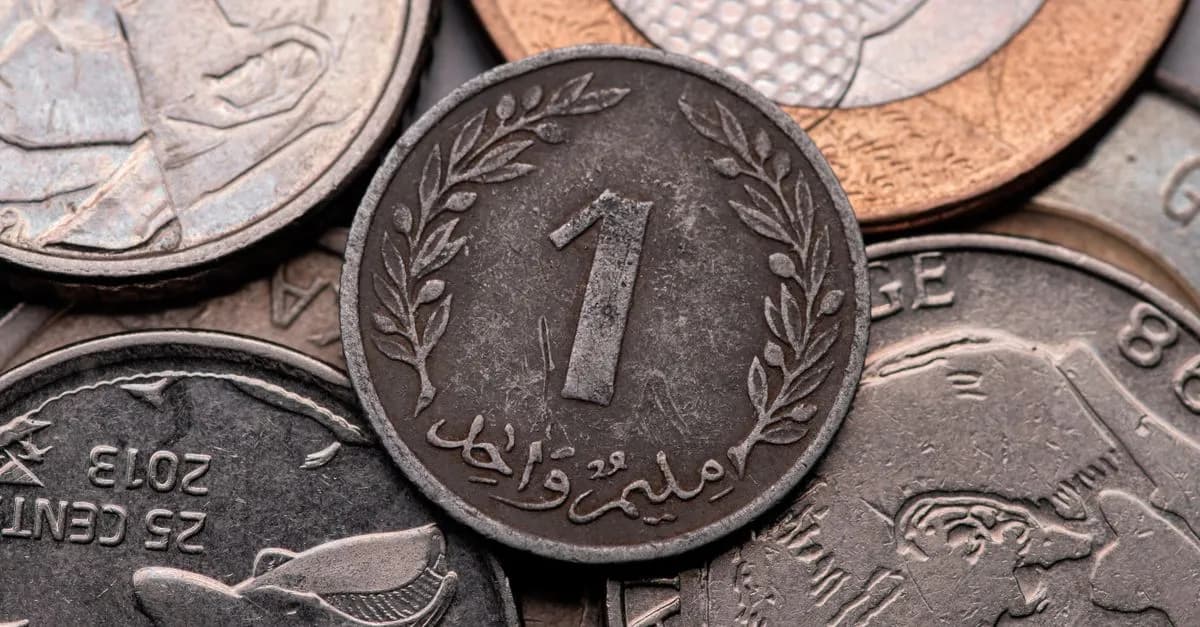
It's advisable to exchange a small amount of local currency for minor expenses and carry a credit/debit card for larger purchases or to withdraw cash from ATMs abroad.
Planning a solo international budget trip is not difficult if you prepare thoroughly and are open to new experiences. You can create lasting memories without spending a fortune.