
Operating a hotel business in Thailand requires strict adherence to relevant laws and regulations to ensure smooth, legal operations and build trust with guests. The most crucial Thai hotel law is the Hotel Act B.E. 2547 (2004), which serves as the core framework for controlling and supervising hotel businesses. This is complemented by various ministerial regulations and announcements that detail specific requirements operators must fully understand and comply with.
The Hotel Act B.E. 2547: The Heart of Thai Hotel Law
The Hotel Act B.E. 2547 (2004) is the primary legislation governing hotel businesses in Thailand. Its objective is to control the standards, safety, and services of hotels to protect consumers and promote tourism. This act categorizes hotels and sets out the criteria for obtaining a hotel business license.
Hotel Categories under the Hotel Act
The Hotel Act divides hotels into four main categories, each with different requirements and conditions:
- Category 1 Hotels: Up to 10 rooms, for daily or weekly guests.
- Category 2 Hotels: Up to 20 rooms, for daily or weekly guests.
- Category 3 Hotels: More than 20 rooms, for daily or weekly guests.
- Category 4 Hotels: Rooms for monthly or longer-term guests (e.g., serviced apartments).
This categorization is crucial for determining the qualifications of the license applicant, the size of the building, and the requirements for safety and facilities.
Applying for a Hotel Business License
Anyone wishing to operate a hotel business must submit an application for a license to the competent official. The process involves specific steps and required documents:
- Applicant Qualifications: Must be an individual or legal entity meeting the qualifications prescribed by law.
- Location: Must be situated in an appropriate location, not conflicting with city planning laws or other relevant regulations.
- Building and Facilities: Must comply with prescribed safety, sanitation, and environmental standards.
- Supporting Documents: Building plans, land ownership documents, service details, building construction permit (Or.1), or building construction certificate (Or.5), etc.
The license application process can be time-consuming, so operators should study and prepare in advance.

Related Ministerial Regulations and Announcements
In addition to the Hotel Act, there are various ministerial regulations and announcements issued under the Act, providing further details on important issues such as:
- Ministerial Regulations Prescribing Types and Criteria for Hotel Business Operations: Specifies details for each hotel category and the conditions that must be met.
- Ministerial Regulations Prescribing Standards for Hotels: Covers standards for hygiene, safety, facilities, and services.
- Announcements Related to Fee Rates: Fees for license application and annual fees.
Understanding these ministerial regulations is essential to ensure your hotel complies with requirements in all aspects.
Other Laws Related to the Hotel Business
The hotel business is not solely governed by the Hotel Act but also by several other important related laws:
1. Building Control Law
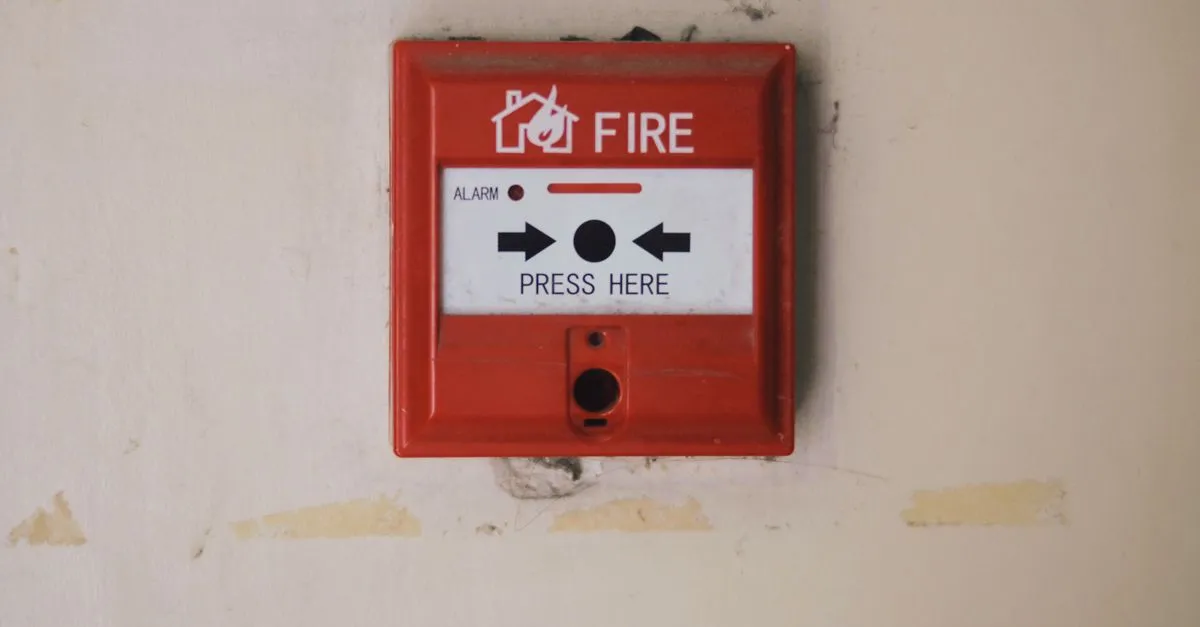
Hotel buildings must comply with the Building Control Act B.E. 2522 (1979) and related ministerial regulations, covering building stability, fire prevention systems, emergency exits, and building sanitation.
2. Public Health Law
The Public Health Act B.E. 2535 (1992) and related laws set hygiene standards for establishments, such as waste management, wastewater, pest and vector control, and the hygiene of food and beverages served.
3. Environmental Law
The National Environmental Quality Promotion and Protection Act B.E. 2535 (1992) requires certain sizes of hotels to conduct Environmental Impact Assessments (EIA) or Initial Environmental Examination (IEE) reports, as well as managing air, water, and noise pollution.
4. Labor Law
The Labor Protection Act B.E. 2541 (1998) is crucial for operators in their treatment of employees, covering wages, working hours, holidays, welfare, and workplace safety. Additionally, social security and workmen's compensation fund laws must be adhered to.
5. Tax Laws
Hotels must comply with the Revenue Code, including corporate income tax, value-added tax, property tax (now land and building tax), and sign tax.
Comparative Analysis: Thai Law vs. International Standards
Comparing Thai hotel law with international standards reveals both areas of alignment and areas that may require improvement to meet global best practices:
- Alignment: Thai law emphasizes safety, hygiene, and consumer protection, which are fundamental principles consistent with many international standards, such as fire prevention systems, waste management, and accessibility for people with disabilities.
- Areas for Development: In some aspects, such as flexibility in hotel categorization to accommodate new business models (e.g., small hostels or alternative accommodations) or the integration of technology in regulation, Thai law might not be as comprehensive as in some developed countries. Furthermore, practical enforcement of laws can vary by locality.
Modernizing and making laws more flexible will help promote the growth of Thailand's hotel industry to be competitive internationally.
FAQ
H3: Do small hotels or hostels need a license?
Yes, even small hotels or hostels must comply with the Hotel Act B.E. 2547 and apply for a hotel business license according to the specified category.
H3: What are the consequences of operating a hotel without a license?
Operating a hotel without a license is a legal offense, subject to penalties including imprisonment and fines, and the business may be ordered to close.
H3: How often do hotel laws change?
The main hotel law, the Hotel Act B.E. 2547, remains the core legislation. However, specific details in ministerial regulations or announcements may be updated or amended based on circumstances and government policies.
Understanding and complying with Thai hotel laws is paramount for all operators. This is not only to avoid legal penalties but also to establish high service standards, build customer trust, and promote a positive image of Thailand's tourism industry in the long run. Therefore, studying additional information and consulting legal experts should not be overlooked.



![[โทนสีธรรมชาติ แฟชั่น] ดีแคช มาสเตอร์ ซูพรีม คัลเลอร์ ครีม 100 มล. Dcash Master Supreme Natural Shine (ครีมย้อมผม ยาย้อม](/_next/image?url=https%3A%2F%2Ffiles.rongramjobs.com%2Fuploads%2Foptimized%2Fth-11134207-81zte-mfc3kyg5aia58e-1782532762021.webp&w=3840&q=75)
![[Music Flower] Photo Genic รองพื้นเนื้อครีมบางเบากันน้ำคุมมัน ไม่เหนียวเหนอะหนะ 30 ML.](/_next/image?url=https%3A%2F%2Ffiles.rongramjobs.com%2Fuploads%2Foptimized%2Fth-11134207-81ztg-mfc1l5gkykga16-1782697675738.webp&w=3840&q=75)