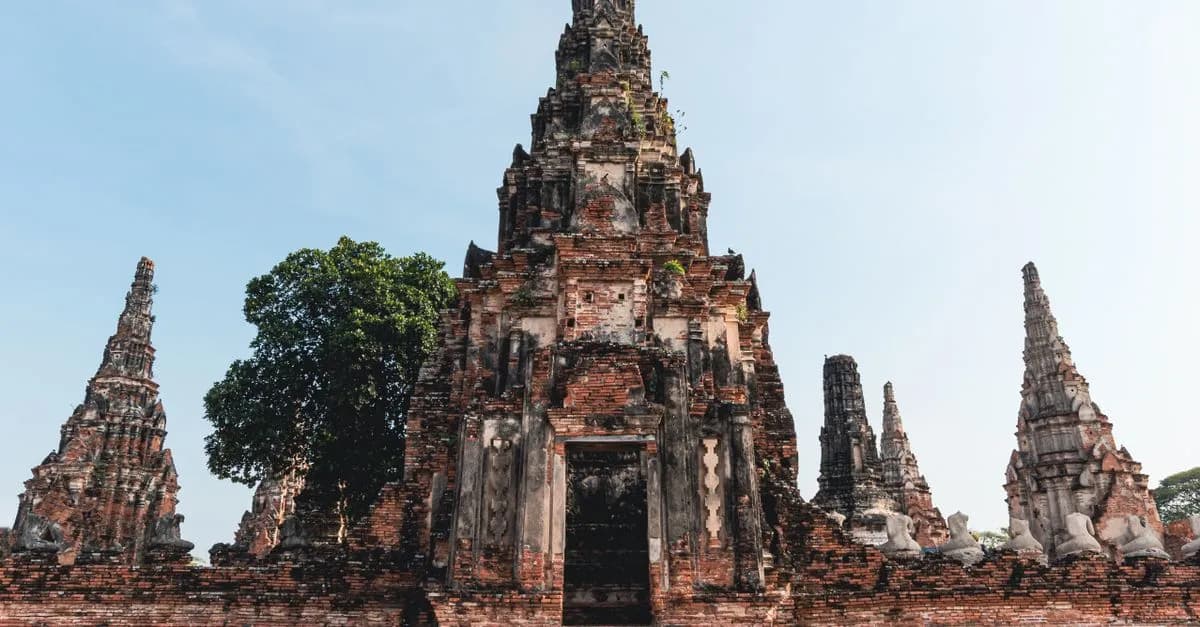
Traveling in Thailand to explore its rich history offers an invaluable experience, allowing us to deeply connect with the nation's long-standing narratives and culture. Thailand boasts numerous historical sites recognized as UNESCO World Heritage Sites, each with unique significance and beauty. This article will guide you through these locations, comparing their distinct features to help you plan your journey effectively and gain the most from learning about Thai history.
Why Embark on a Historical Journey?
Historical tourism is more than just visiting ancient ruins; it's a journey back in time to understand the roots of society, culture, and ancient ways of life. It offers several benefits:
- Enhance Knowledge: Learn about significant events, key figures, and the development of various kingdoms.
- Understand Culture: Experience the art, architecture, and traditions that reflect Thai wisdom.
- Inspire: Appreciate the heritage left by ancestors and foster national pride.
- Promote Sustainable Tourism: Help conserve and restore historical sites for future generations.
Must-Visit Historical World Heritage Sites
Thailand features several fascinating cultural World Heritage Sites, particularly those related to ancient kingdoms.
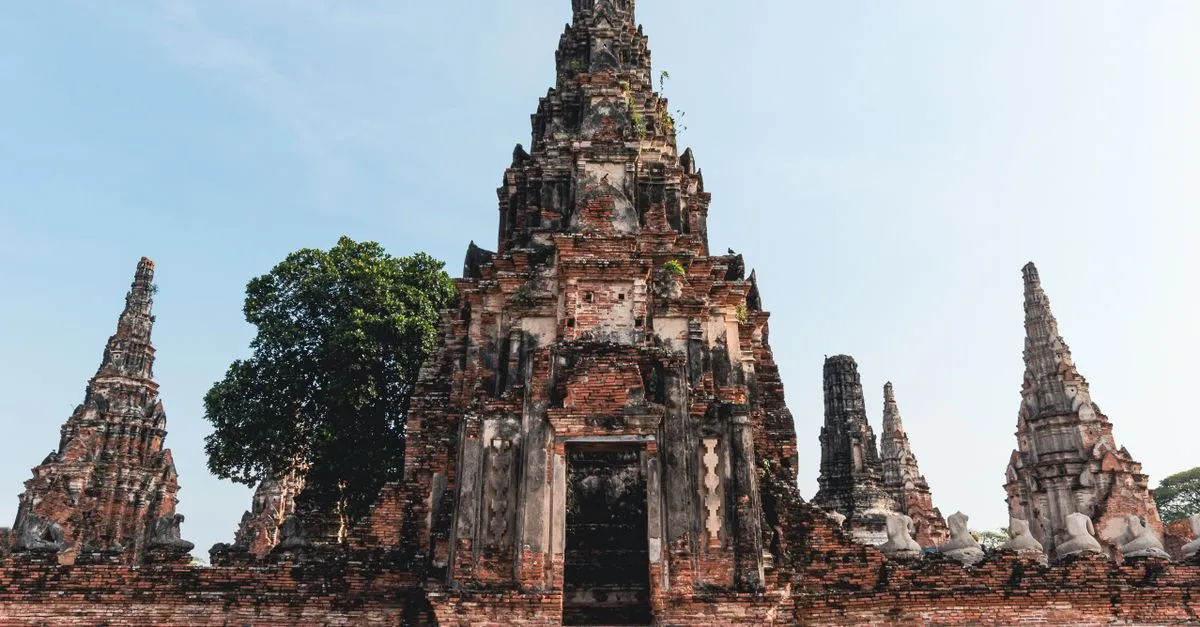
1. Ayutthaya Historical Park
Overview: The glorious former capital of the Ayutthaya Kingdom (1351-1767 CE), a crucial trade and cultural hub in Southeast Asia. It was designated a World Heritage Site in 1991.
- Highlights: Grand temples, red-brick ruins, architecture blending influences from various cultures, reflecting past wealth and power.
- Activities: Cycle through the ancient ruins, take a boat trip around the island city, visit the Chao Sam Phraya National Museum.
- Ideal for: Those interested in late medieval history, architecture, and studying ancient international relations.
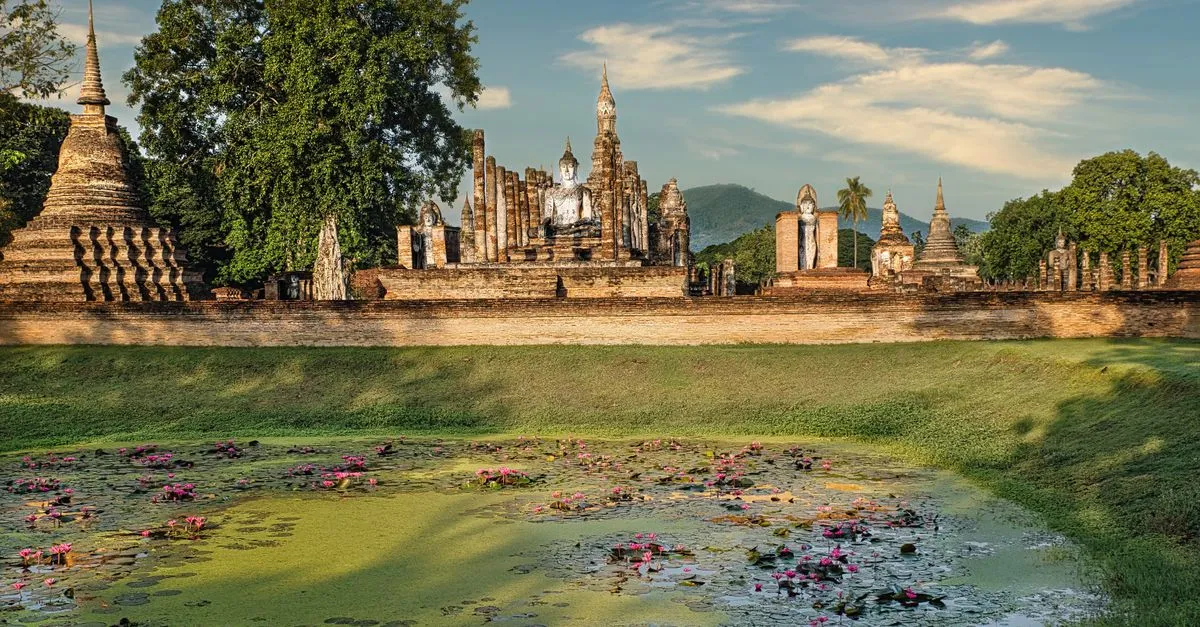
2. Sukhothai, Si Satchanalai, and Kamphaeng Phet Historical Parks
Overview: The heart of the Sukhothai Kingdom (1238-1450 CE), considered the golden age of authentic Thai art (Sukhothai art). Designated a World Heritage Site in 1991.
- Highlights: Walking Buddha statues, lotus-bud chedis, Ramkhamhaeng Inscription, Sangkhalok pottery kilns.
- Activities: Walk or cycle through the parks, visit the Ramkhamhaeng National Museum, see the Thuriang kilns.
- Ideal for: Those wishing to study early Thai art, paternalistic governance, and a simple yet wise way of life.
3. Ban Chiang Archaeological Site
Overview: A significant archaeological site in Udon Thani province, showcasing the development of prehistoric civilization in Southeast Asia, dating back over 5,000 years. Designated a World Heritage Site in 1992.
- Highlights: Unique painted pottery, ancient human skeletons, early metal tools and artifacts.
- Activities: Visit the Ban Chiang National Museum, explore archaeological excavation pits.
- Ideal for: Those interested in prehistory, anthropology, and the study of early human cultures.
Comparing Historical Travel Destinations
AyutthayaAyutthaya (1351-1767 CE)Grand architecture, foreign trade, cultural diversityMagnificence, prosperity, fall of a kingdomSukhothaiSukhothai (1238-1450 CE)Authentic Thai art, Buddhism, paternalistic ruleTranquility, artistic beauty, foundations of Thai identityBan ChiangPrehistoric (over 5,000 years ago)Painted pottery, metal usage, early human lifeMystery, discovery of ancient civilizations, human originsTips for Travelers
- Plan Your Trip: Research basic information about each site to understand its historical context.
- Prepare Appropriately: Wear modest clothing (especially when visiting temples), comfortable shoes, a hat, sunglasses, and bring water.
- Hire a Guide: For in-depth information, a local guide can significantly enhance your understanding of the stories.
- Maintain Cleanliness and Respect: Strictly follow the rules and regulations of historical parks.
- Stay Overnight: If time permits, staying overnight allows you to fully immerse yourself in the atmosphere and explore the sites.
FAQ
Q: How much time should I allocate for visiting Ayutthaya and Sukhothai Historical Parks?
A: For Ayutthaya, allow at least 1-2 days to explore the main historical sites. For Sukhothai, it's recommended to spend 2 days to thoroughly visit both Sukhothai and Si Satchanalai Historical Parks.
Q: What precautions should I take when visiting historical sites?
A: Dress modestly, avoid loud noises, do not climb on ancient structures, and refrain from defacing property. This shows respect for the sites and helps preserve cultural heritage.
Q: Is Ban Chiang Archaeological Site suitable for children?
A: Absolutely. The museum features interesting exhibits and artifacts that can stimulate curiosity and help children learn about early human history.
Traveling through Thailand's historical sites is more than just tourism; it's an opportunity to learn and understand the roots of the Thai nation. If you're looking for a profound and valuable experience, consider visiting these World Heritage Sites to broaden your perspective and deepen your knowledge of our long history.
For more information on cultural tourism in Thailand, please refer to our cultural tourism articles.
Conclusion
Embarking on a historical journey in Thailand offers an excellent opportunity to connect with the grandeur of the past. Whether it's the magnificence of Ayutthaya, the serene beauty of Sukhothai, or the mystery of Ban Chiang, each site presents unique stories and experiences. Good planning will ensure you gain the most from your travels.
Expert Recommendation
As an expert in history and archaeology, I recommend that the best preparation is to read books or watch documentaries about the sites before your trip. This will help you visualize and understand the historical context more deeply. Also, don't forget to talk to locals or guides, as they often have stories and anecdotes not found in textbooks, which will make your journey more vibrant and memorable.

![[โทนสีธรรมชาติ แฟชั่น] ดีแคช มาสเตอร์ ซูพรีม คัลเลอร์ ครีม 100 มล. Dcash Master Supreme Natural Shine (ครีมย้อมผม ยาย้อม](/_next/image?url=https%3A%2F%2Ffiles.rongramjobs.com%2Fuploads%2Foptimized%2Fth-11134207-81zte-mfc3kyg5aia58e-1782532762021.webp&w=3840&q=75)
![[Music Flower] Photo Genic รองพื้นเนื้อครีมบางเบากันน้ำคุมมัน ไม่เหนียวเหนอะหนะ 30 ML.](/_next/image?url=https%3A%2F%2Ffiles.rongramjobs.com%2Fuploads%2Foptimized%2Fth-11134207-81ztg-mfc1l5gkykga16-1782697675738.webp&w=3840&q=75)