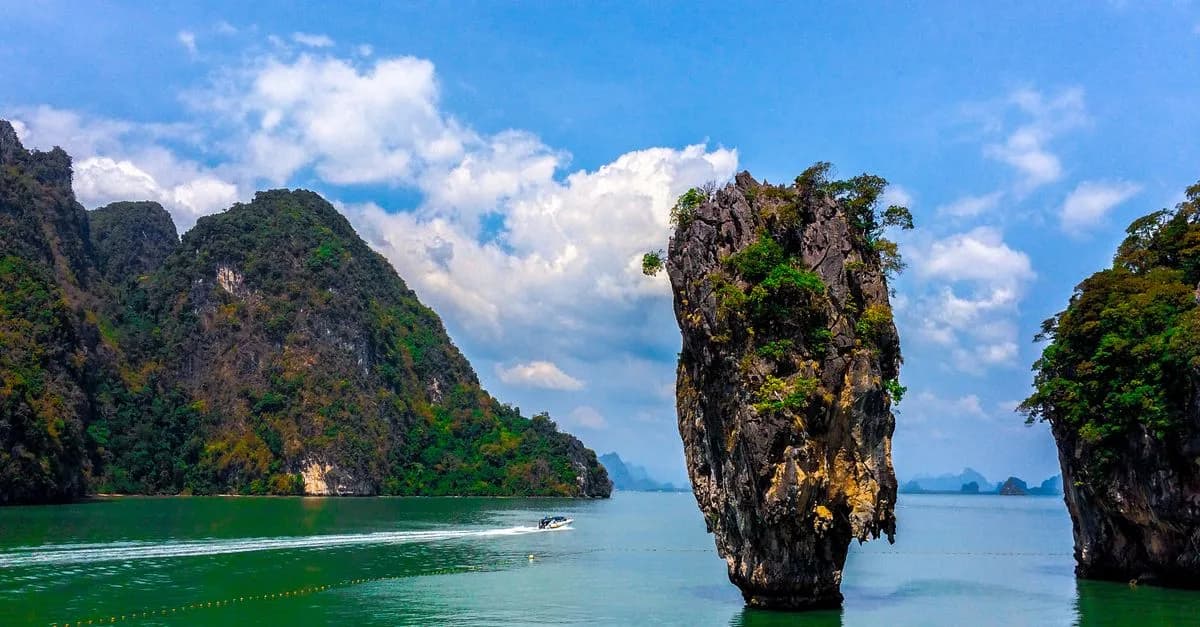
Thailand features distinct and diverse natural attractions across its regions, reflecting the country's rich biodiversity and geological wealth.
Types of Natural Attractions in Thailand
Natural attractions in Thailand can be broadly categorized into several main types:
1. Coastal and Marine Attractions
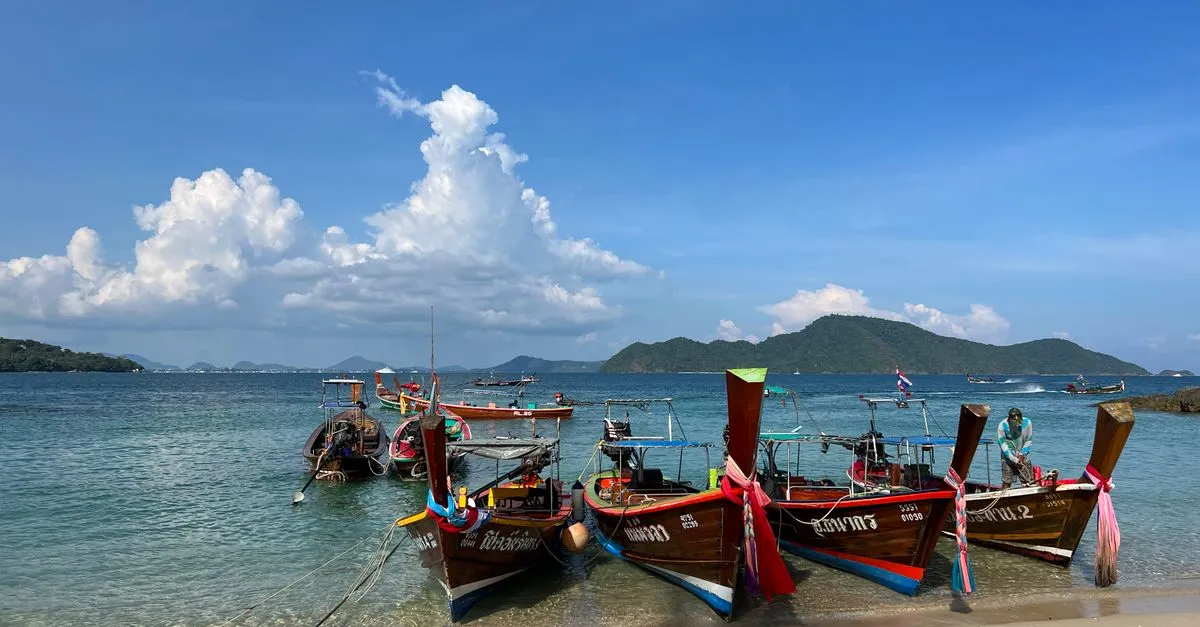
Thailand boasts over 3,000 kilometers of coastline, encompassing both the Gulf of Thailand and the Andaman Sea, home to world-famous islands and beaches.
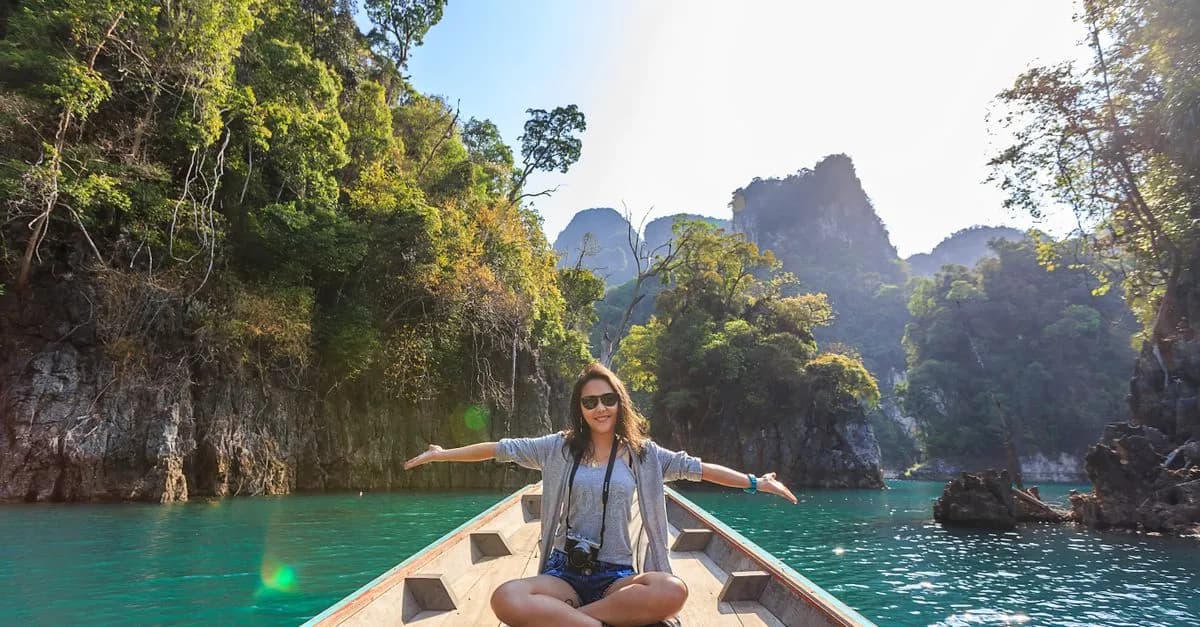
- Andaman Sea: Characterized by unique limestone karsts, emerald waters, and abundant coral reefs, such as Phi Phi Islands in Krabi, Similan Islands in Phang Nga, and Koh Lipe in Satun.
- Gulf of Thailand: Features shallower waters, fine white sandy beaches, and islands ideal for relaxation, such as Koh Samui, Koh Phangan, Koh Tao in Surat Thani, and Koh Chang in Trat.
Comparison: The Andaman Sea is ideal for those who enjoy snorkeling and diving, exploring coral reefs and rare marine life. The Gulf of Thailand is more suited for those seeking beach relaxation, swimming, and water activities that do not primarily focus on deep diving.
2. Mountain and Forest Attractions
The northern and western regions of Thailand are home to high mountain ranges, lush forests, and cool climates.
- Northern Thailand: Features numerous national parks, such as Doi Inthanon National Park in Chiang Mai, which is Thailand's highest peak, offering several waterfalls and nature trails.
- Western Thailand: Characterized by tropical rainforests and limestone mountains, such as Erawan National Park in Kanchanaburi, famous for its beautiful seven-tiered limestone waterfall.
In-depth Analysis: These types of attractions not only offer natural beauty but also serve as crucial learning grounds for forest ecosystems, habitats for rare wildlife, and sources of rivers and streams. Ecotourism is therefore vital for preserving these environments.
3. Waterfall and Cave Attractions
Waterfalls and caves are another natural wonder found throughout Thailand.
- Waterfalls: Vary widely, from large waterfalls with year-round flow, such as Thi Lo Su Waterfall in Tak, to smaller, seasonally beautiful cascades.
- Caves: Include stunning stalactite and stalagmite formations, such as Phraya Nakhon Cave in Khao Sam Roi Yot National Park, Prachuap Khiri Khan, and caves with historical or religious significance.
Expert Perspective: Cave exploration requires appropriate knowledge and equipment for safety and to prevent damage to the cave's ecosystem. Some waterfalls may have high water volumes during the rainy season, which can be dangerous. It is advisable to check information before traveling.
FAQ
What type of natural attraction is most popular in Thailand?
Coastal and marine attractions, such as the islands in the Andaman Sea and the Gulf of Thailand, are highly popular among both Thai and international tourists due to the beauty of the beaches and the variety of water activities.
Why is ecotourism important for natural attractions?
Ecotourism helps preserve natural environments and ecosystems sustainably, reduces the impact of tourism, and promotes an appreciation for nature's value among tourists.
How should one prepare for visiting natural attractions in Thailand?
It is advisable to research the location in advance, prepare appropriate gear for the type of attraction (e.g., sun protection, breathable clothing, suitable footwear), and strictly adhere to local regulations for safety and environmental preservation.
Thailand's incredible natural diversity offers vast potential for sustainable tourism development. Understanding and respecting nature will help us preserve these beauties for future generations to enjoy.
![[โทนสีธรรมชาติ แฟชั่น] ดีแคช มาสเตอร์ ซูพรีม คัลเลอร์ ครีม 100 มล. Dcash Master Supreme Natural Shine (ครีมย้อมผม ยาย้อม](/_next/image?url=https%3A%2F%2Ffiles.rongramjobs.com%2Fuploads%2Foptimized%2Fth-11134207-81zte-mfc3kyg5aia58e-1782532762021.webp&w=3840&q=75)
![[Music Flower] Photo Genic รองพื้นเนื้อครีมบางเบากันน้ำคุมมัน ไม่เหนียวเหนอะหนะ 30 ML.](/_next/image?url=https%3A%2F%2Ffiles.rongramjobs.com%2Fuploads%2Foptimized%2Fth-11134207-81ztg-mfc1l5gkykga16-1782697675738.webp&w=3840&q=75)