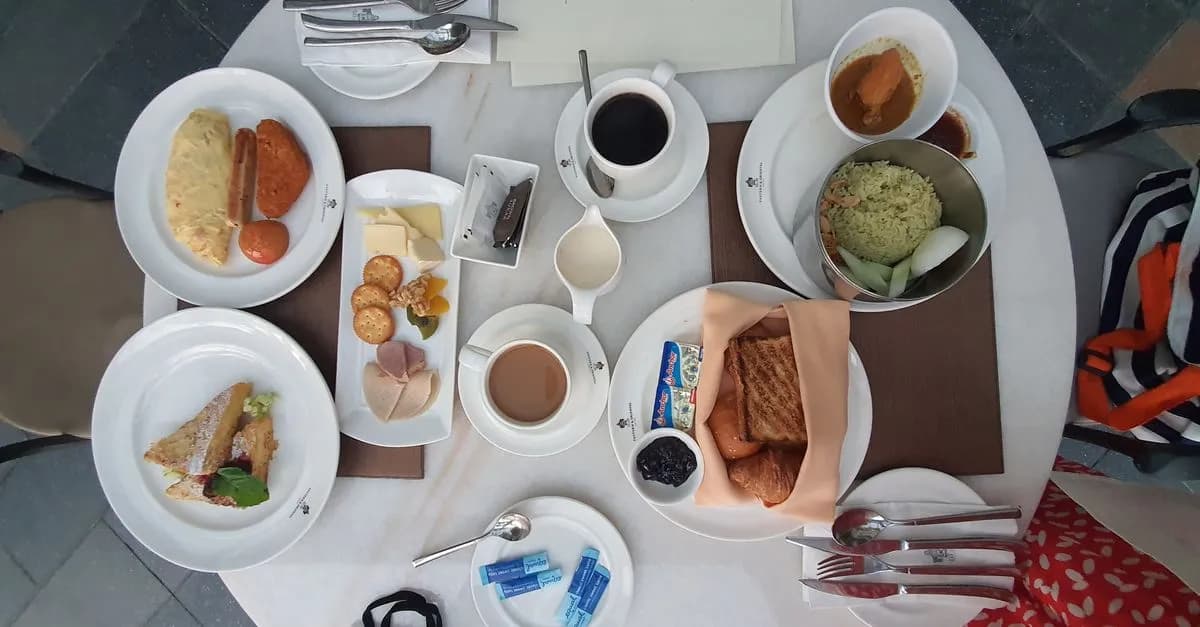
A hotel breakfast buffet is more than just a meal; it's an experience reflecting the hotel's service standards and culture. Typically, buffets offer a wide array of dishes to cater to diverse guest preferences, including local specialties, international cuisine, and healthy options. Understanding the components of a breakfast buffet helps you make informed choices, ensuring you get the best value and enjoyment from your meal.
Key Components of a Hotel Breakfast Buffet
Hotel breakfast buffets are usually organized into logical sections for easy navigation. They generally consist of the following main categories:
Popular International Savory Dishes
- Eggs and Egg Dishes: Fried eggs, scrambled eggs, omelets (customizable with various fillings), Eggs Benedict.
- Cooked Meats: Crispy bacon, sausages (pork/chicken), ham.
- Western Breakfast Staples: Pancakes, waffles, French toast, served with maple syrup, honey, and jams.
- Potatoes: Hash browns, fried potatoes, or roasted potatoes.
Asian and Local Breakfast Options
Many hotels, especially in Thailand, feature Asian and local food corners to cater to local guests and international visitors eager to try regional flavors.
- Rice/Porridge (Congee): Often served with condiments like shredded pork, Chinese sausage, pickled vegetables, and various salads (yam).
- Thai Dishes: Clear soups, stir-fried vegetables, pad see ew, fried rice (menus may rotate).
- Noodles: A live noodle station where guests can choose their noodles and ingredients.
- Dim Sum: Steamed dumplings, buns (common in hotels with a significant Asian clientele).
Health and Cereal Station
For health-conscious guests, hotels often provide a dedicated healthy eating section.
- Cereals and Granola: A variety of options, served with fresh milk, low-fat milk, or soy milk.
- Yogurt: Plain yogurt, fruit yogurt, with toppings like fresh fruits, nuts, and chia seeds.
- Fresh Fruits: Seasonal fruits cut and ready to eat, such as watermelon, pineapple, papaya, guava.
- Salad Bar: Various fresh greens with dressings and toppings.
Bakery and Pastries
This section is a favorite for many, especially those who enjoy starting their day with something sweet.
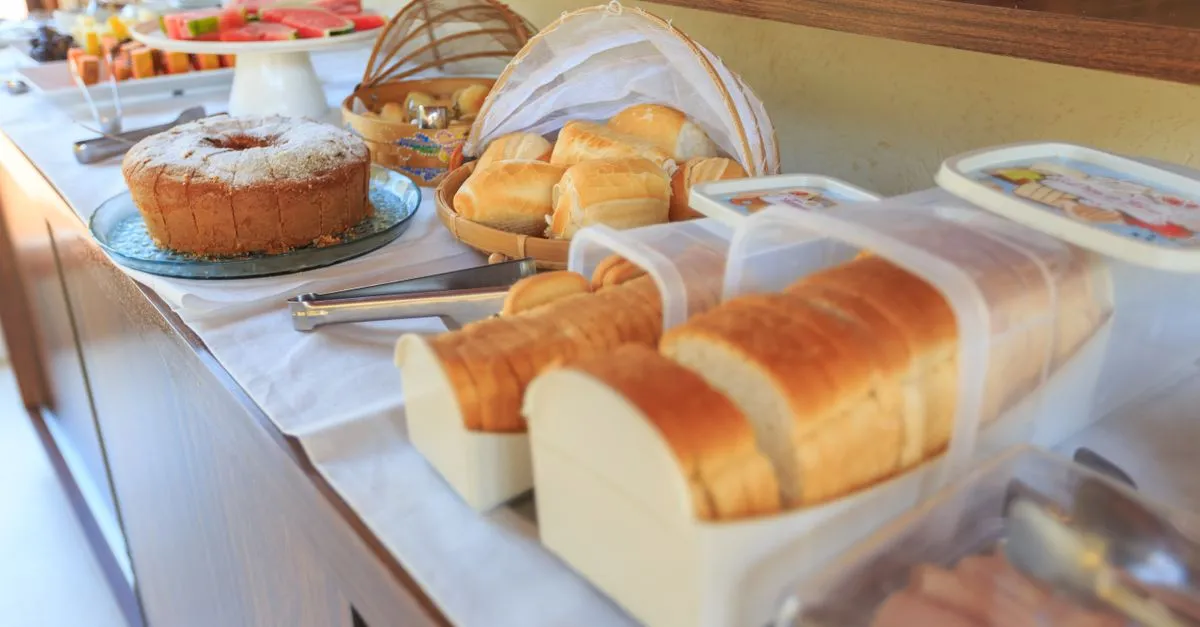
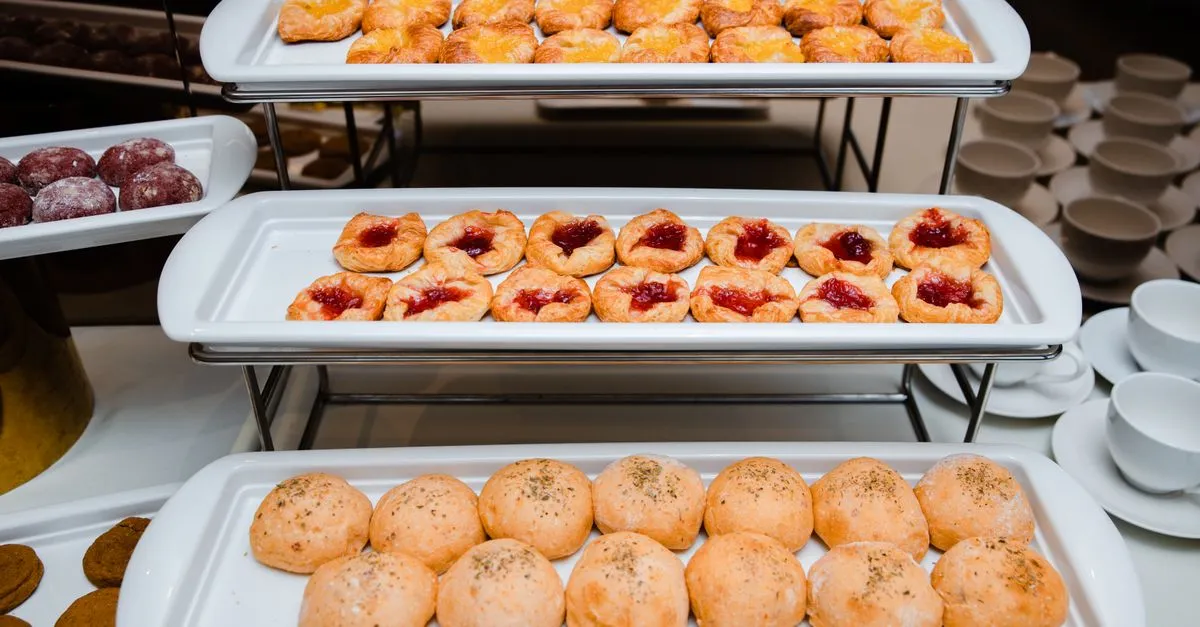
- Breads: Toast, whole wheat bread, baguettes, croissants, Danish pastries.
- Jams and Spreads: A selection of fruit jams, butter, peanut butter.
- Cakes/Muffins: Small cakes or muffins.
Beverages
Drinks are an essential part of completing the breakfast experience.
- Coffee: Black coffee, latte, cappuccino (some hotels offer barista-made coffee).
- Tea: A variety of hot teas, such as English breakfast, green tea, herbal teas.
- Fruit Juices: Orange juice, pineapple juice, guava juice, coconut water (some hotels offer freshly squeezed juices).
- Milk: Fresh milk, low-fat milk, soy milk.
Breakfast Buffet Comparison: 3-Star vs. 5-Star Hotels
Food VarietyBasic menu, focuses on popular dishesExtremely high variety, international and local, special/seasonal itemsIngredient QualityGood, standard qualityPremium, fresh, may include imported or organic ingredientsFood PresentationSimple, emphasizes cleanliness and orderElegant, meticulously plated, often features live cooking stationsServiceGeneral service staffHighly skilled, attentive staff, may include baristas or dedicated chefsAmbianceCasual, comfortableLuxurious, spacious, potentially with scenic viewsSpecialty DrinksStandard juices, machine-brewed coffeeFreshly squeezed juices, smoothies, specialty coffee, premium teasThis comparison highlights that 5-star hotels generally invest more in overall quality, variety, and the guest experience.
Tips for Enjoying Your Breakfast Buffet
- Scout First: Walk around and survey all the food stations before you start filling your plate to plan your meal and not miss out on interesting items.
- Start Light: Begin with fruits, salads, or yogurt to prepare your stomach.
- Try Local Delicacies: It's a great opportunity to sample regional cuisine.
- Utilize Live Stations: Such as the egg station or noodle station, for freshly prepared dishes.
- Don't Overload Your Plate: Take small portions of many different items to minimize waste.
- Stay Hydrated: Drink plenty of water to aid digestion.
FAQ
H3 How do hotel breakfast buffets differ across countries?
The main differences are usually in the local food sections. For example, in Japan, you'll find rice, miso soup, and grilled fish; in India, various curries and naan bread; while in Europe, the focus is on bread, cheese, and cold cuts.
H3 Do hotels offer options for guests with food allergies?
Most hotels provide options for common allergies, such as soy milk, gluten-free bread, or vegetarian dishes. It's always best to inform staff or inquire before consuming for safety.
H3 What's the best time to go to a breakfast buffet?
The best time is usually mid-service, around 7:30 AM - 8:30 AM, to avoid the busiest rush and ensure food is still fresh and fully stocked.
Understanding what's available at a hotel breakfast buffet allows you to plan your meal efficiently and get the most value. Whether you're a traveler needing energy for exploration or someone looking to enjoy a leisurely morning, a hotel buffet offers options to satisfy every preference.