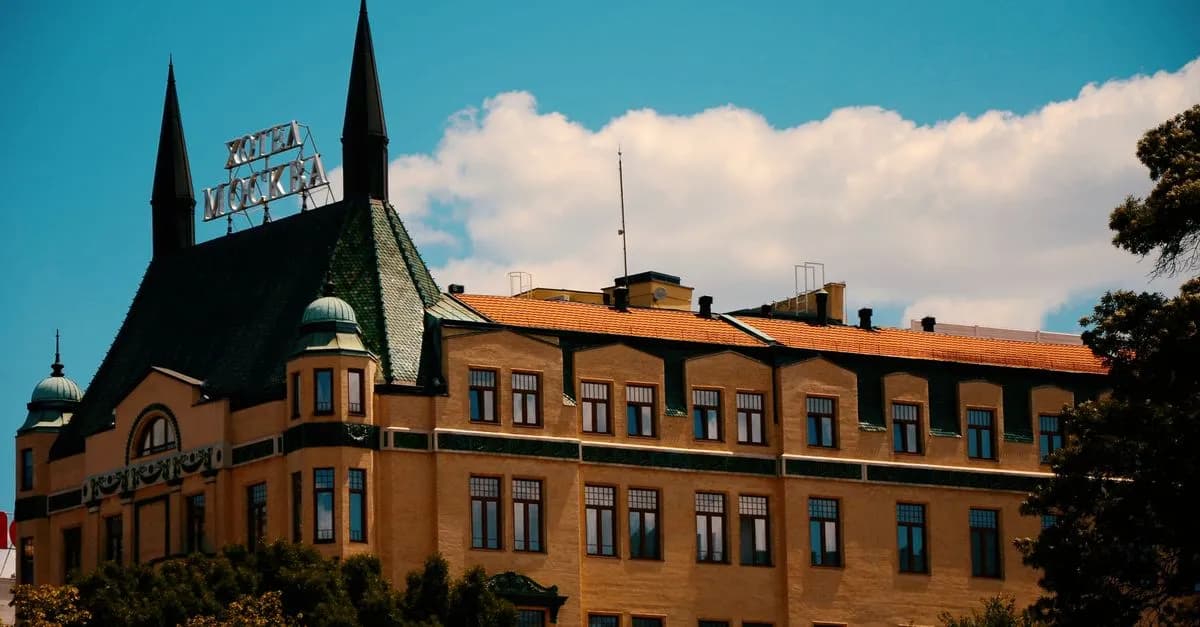
The creative economy is a concept that uses creativity and innovation as its core drivers, encompassing industries like culture, arts, design, and technology. When applied to tourism and the hotel business, the creative economy can generate added value, attract tourists, and create memorable experiences sustainably. This article will analyze how the creative economy promotes hotel tourism from various perspectives.
Creating Unique and Memorable Experiences
The creative economy enables hotels to offer experiences beyond typical accommodations, focusing on storytelling and activities linked to local culture or novel concepts.
Design and Decor Reflecting Uniqueness
- Boutique and Design Hotels: Distinctive architectural design and interior decoration that tell a story or reflect local art transform hotels into destinations themselves, such as hotels featuring indigenous crafts or those with specific themes.
- Creative Technology Integration: Utilizing AR/VR technology to create immersive experiences within the hotel or incorporating interactive art installations to capture attention.
Innovative Activities and Services
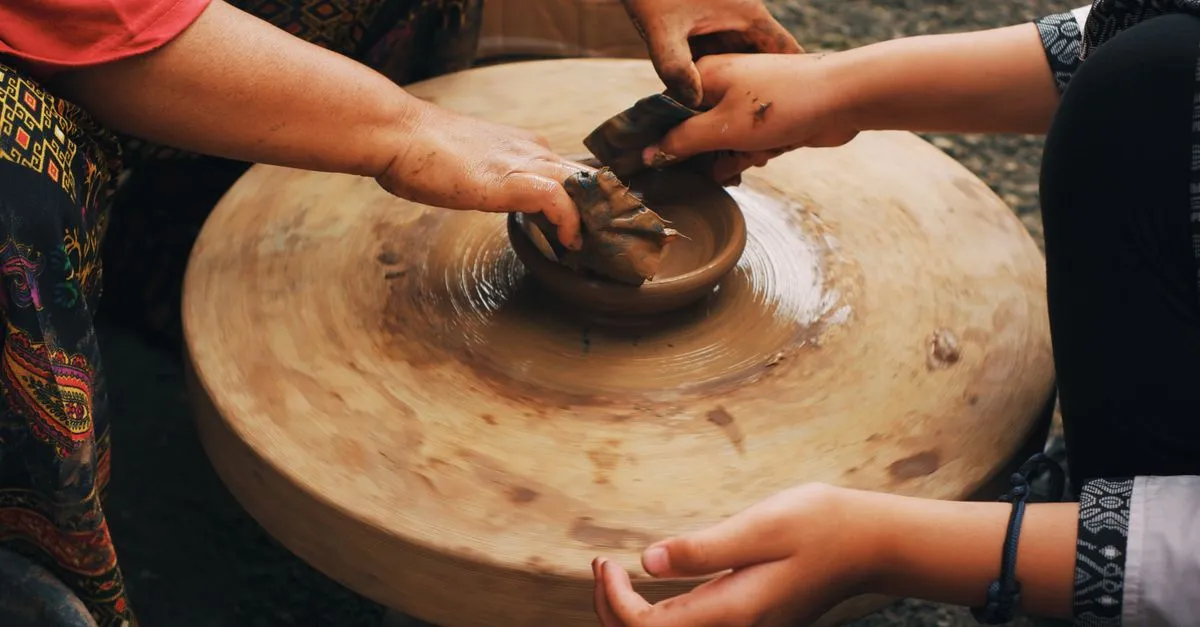
- Cultural Workshops: Organizing activities where tourists can learn and participate, such as Thai cooking classes, handicraft making, or traditional art performances.
- Performances and Events: Hosting live music, performing arts, or rotating art exhibitions within the hotel to create ambiance and attract guests.
Enhancing Economic Value and Competitiveness
Implementing the creative economy not only fosters differentiation but also adds value to hotel services and products, leading to increased revenue and a competitive edge.
Brand Building and Image
- Storytelling: Crafting narratives behind the hotel, its design, or services to build an emotional connection with guests.
- Experiential Marketing: Employing creative media and engaging campaigns to promote the hotel from an interesting and distinct perspective.
Developing New Products and Services
- Creative Souvenirs: Collaborating with local artists to produce souvenirs with artistic and cultural value.
- Creative Tourism Packages: Offering packages that include creative activities such as art tours, photography lessons, or visits to artist studios.
Promoting Sustainable Development and Community Engagement
The creative economy can serve as a tool for promoting sustainable tourism by connecting hotels with local communities and cultures.
Supporting Local Artists and Artisans
- Exhibiting Works: Providing space for local artists to display and sell their creations within the hotel.
- Employment Opportunities: Hiring local artisans or talented individuals to conduct activities or provide services to guests.
Cultural and Environmental Conservation
- Sustainable Design: Using eco-friendly materials or designs that harmonize with local nature and culture.
- Promoting Ecotourism: Organizing activities that educate and promote the conservation of nature and culture.
Comparison: Traditional Hotels vs. Creative Economy Hotels
Key FocusComfort, standard servicesUnique experiences, design, cultureTarget AudienceGeneral tourists, business travelersExperiential travelers, art/culture enthusiastsRevenue GenerationRoom rates, food & beveragePremium room rates, activities, souvenirs, event ticketsCommunity EngagementLimitedHigh, collaboration with local communitiesSustainabilityOperational efficiencyCultural and environmental preservation, local job creationFrom the comparison table, it is evident that hotels adopting the creative economy approach are better equipped to differentiate themselves, attract niche tourist segments, and generate greater added value. This is crucial in a highly competitive tourism market.
Conclusion
The creative economy is a vital mechanism for elevating the tourism and hotel industry, shifting from merely offering accommodation to providing deep, meaningful, and memorable experiences. Investing in creativity, design, and culture will not only boost revenue and create a competitive advantage but also promote sustainable development and benefit local communities. Hotels that understand and implement this concept will be able to thrive strongly in the future.
FAQ
What is the creative economy?
The creative economy is a concept that uses creativity, innovation, and intellectual property as core drivers for economic value creation, encompassing industries such as art, culture, design, fashion, music, film, and technology.
How can small hotels apply the creative economy?
Small hotels can start by focusing on unique design, organizing activities linked to local culture, collaborating with local artists or artisans, or creating compelling stories for their hotel.
Is investing in the creative economy worthwhile?
Absolutely, as it helps create differentiation, attracts higher-spending tourists, generates memorable experiences, and adds brand value, leading to increased revenue and long-term sustainability.