
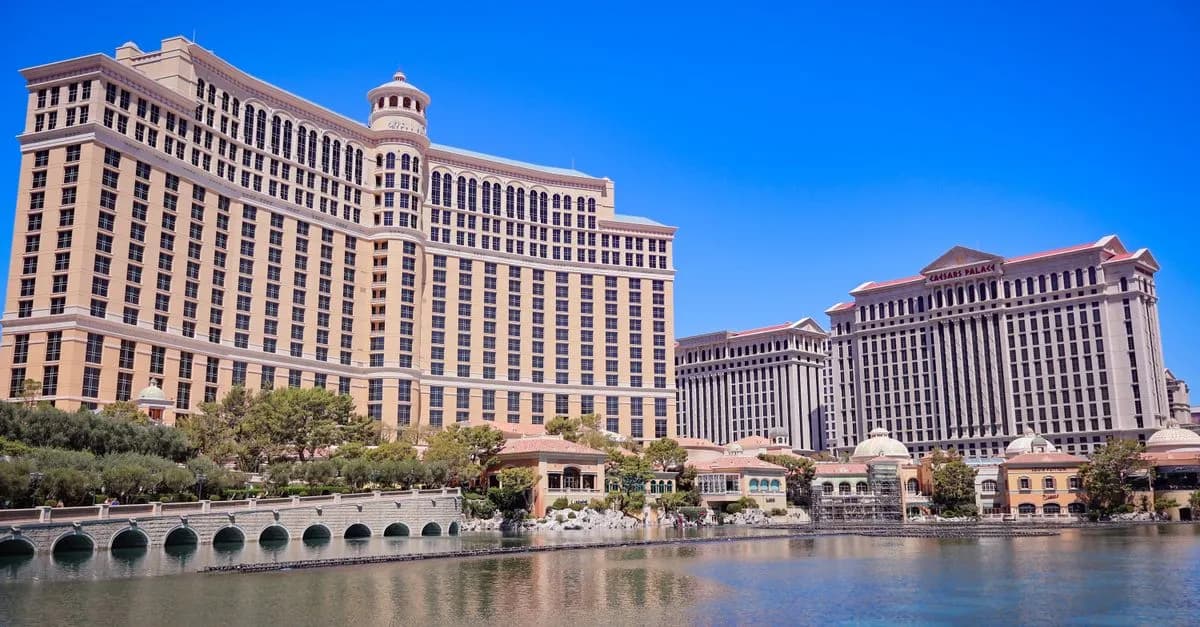
An economic bubble occurs when asset prices rise rapidly and exceed their intrinsic value, often followed by a market correction or the bursting of the bubble. This phenomenon has widespread effects across all economic sectors, including the hotel industry, which is particularly sensitive to economic changes. Understanding these impacts is crucial for hoteliers and stakeholders to prepare and plan appropriate strategies.
Impact of Economic Bubbles on the Hotel Business
Economic bubbles can create both short-term and long-term impacts on the hotel industry, across several dimensions:
1. Investment and Development
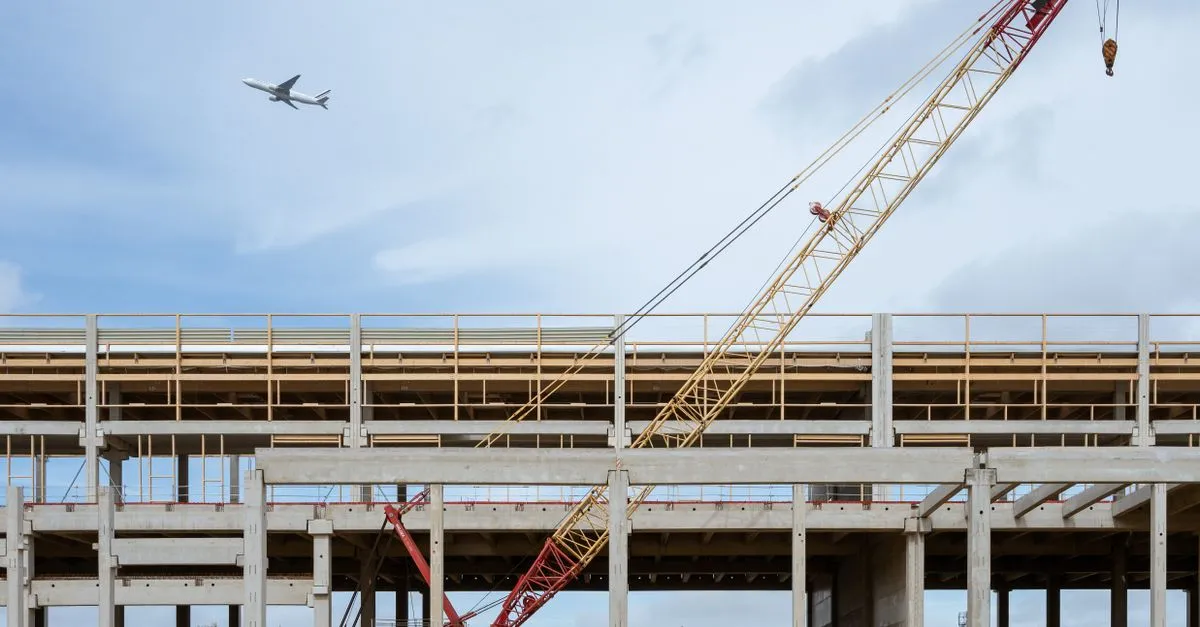
- Over-investment: During periods of economic boom and bubbles, investors often see opportunities for high profits, leading to excessive investment in new hotels or expansion, which may exceed actual market demand.
- Increased Land and Construction Costs: A real estate bubble drives up land prices and construction materials, significantly increasing hotel development costs.
- Debt Risk: Borrowing large sums for investment during a bubble creates high risk for hotels when the bubble bursts and revenues decline.
2. Operations and Revenue
- Volatile Occupancy Rates: When a bubble bursts, consumer confidence declines, and travel and tourism decrease, leading to a rapid drop in hotel occupancy rates.
- Decreased Room Rates: Increased competition from a growing number of hotels and reduced demand force hotels to lower room rates to attract customers, impacting revenue and profit margins.
- Operating Costs: Despite reduced revenue, fixed costs such as staff wages, maintenance, and utilities remain, causing hotels to incur losses.
3. Employment and Personnel
- Layoffs: When hotels face financial difficulties, reducing staff is often one of the measures taken, leading to unemployment in the hotel industry.
- Reduced Wages and Benefits: To cut costs, hotels may consider reducing wages or benefits for remaining employees.
- Staff Shortages During Recovery: When the economy recovers, hotels may struggle to find qualified personnel to return to work, as labor may have shifted to other sectors.
4. Adaptation Strategies and Risk Management
To cope with the impacts of an economic bubble, hotels should consider the following strategies:
- Diversification: Not relying on a single source of income, such as expanding to diverse customer segments or adding other ancillary services.
- Efficient Cost Management: Controlling unnecessary expenses and improving operational efficiency.
- Differentiation: Offering unique experiences or high-quality services to build customer loyalty.
- Technology Adoption: Utilizing technology to assist in management, marketing, and cost reduction.
- Partnerships: Collaborating with airlines, tour operators, or other businesses to expand the customer base and reduce risks.
Comparative Case Studies: Past Crises
We can learn from past economic crises to better understand the impact of economic bubbles:
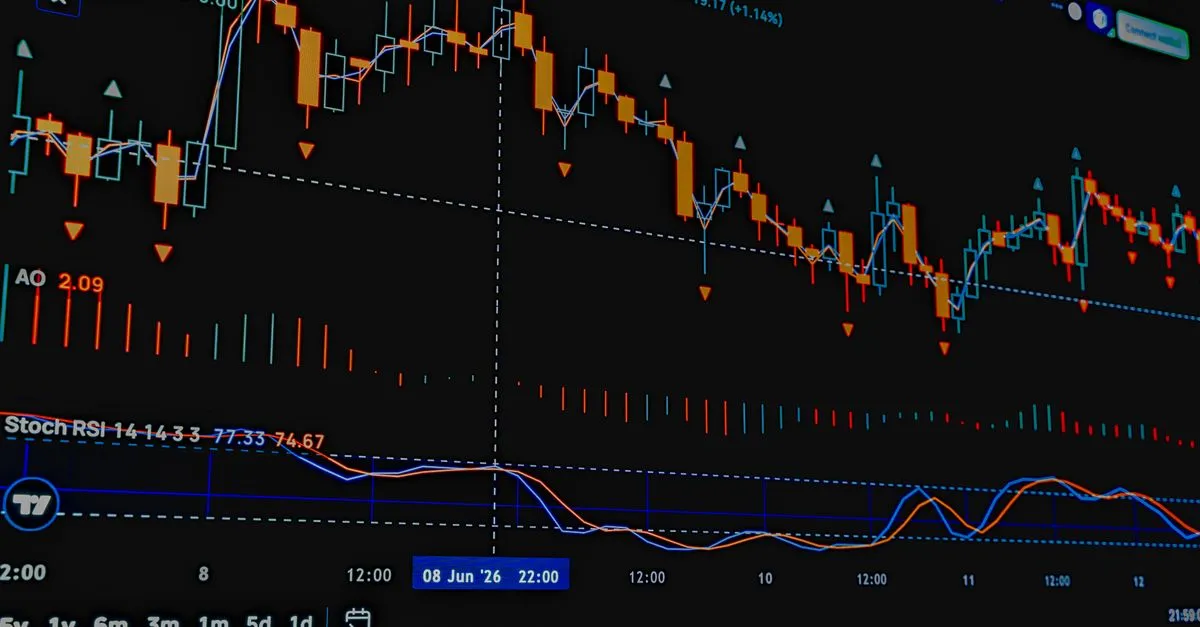
- Tom Yum Kung Crisis (1997): The real estate and stock market bubbles burst, causing many hotel businesses to face overwhelming debt, a drastic drop in occupancy rates, and numerous business sales.
- Global Financial Crisis (2008): Although less severe than 1997, it led to a global decline in business travel and tourism. Hotels had to reduce prices and offer promotions to attract customers.
- COVID-19 Crisis (2020): While not a direct bubble, it was the most severe crisis affecting tourism. Hotels had to temporarily close or completely change their operating models.
These case studies demonstrate the vulnerability of the hotel business to external factors, and preparedness for uncertainty is crucial.
FAQ
What is an economic bubble?
An economic bubble is a situation where asset prices, such as real estate or stocks, rise rapidly and exceed their intrinsic value, driven by speculation and excessive confidence, often ending in a sharp price correction.
How should hotels prepare for an economic bubble?
Hotels should focus on strict liquidity management, reduce unnecessary debt, diversify revenue streams, and differentiate their services to retain customer loyalty. Additionally, long-term strategic planning and close monitoring of economic conditions are essential.
How does a real estate bubble affect hotels?
A real estate bubble significantly increases hotel investment and development costs. When the bubble bursts, the asset value of hotels drops rapidly, while debt obligations remain, leading to financial difficulties and potentially bankruptcy for hotels.
Understanding the impact of economic bubbles is essential for hotel operators. Careful preparation and strategic planning will help hotel businesses survive and thrive in all economic conditions.