
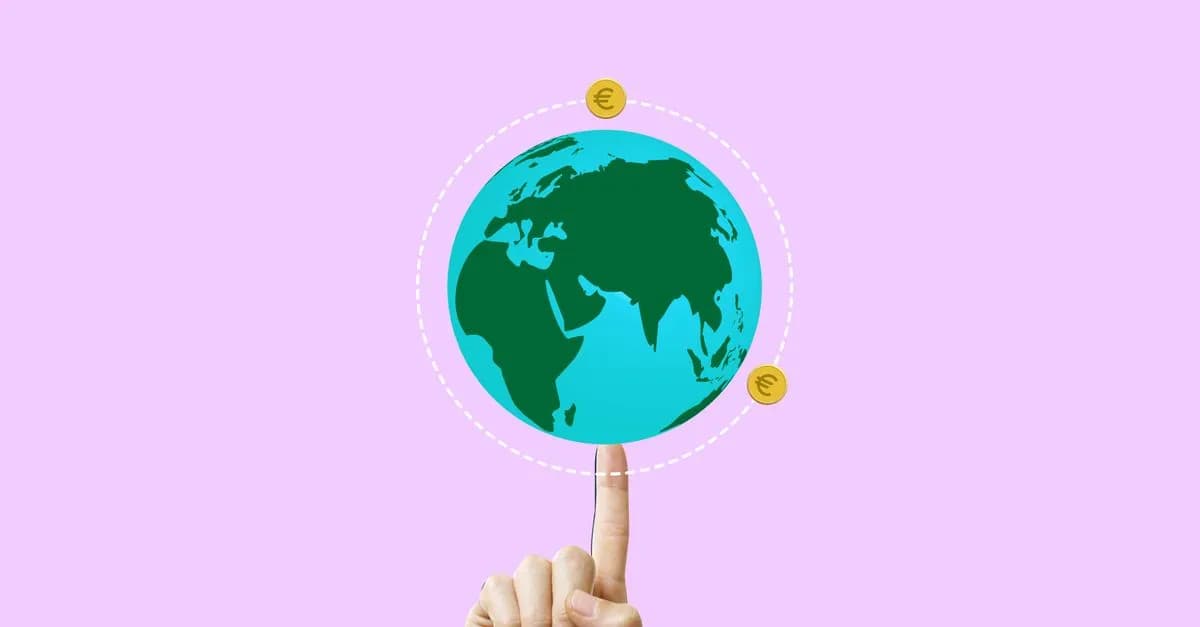
Impact of Inflation and Purchasing Power
Globally rising inflation leads to increased living costs, which reduces tourists' purchasing power. Travel decisions are therefore considered more carefully, especially for long-haul and high-cost trips.
- Travel Expenses: Higher oil prices result in more expensive airfares.
- Cost of Living at Destination: Tourists have more limited budgets for accommodation, food, and activities.
- Destination Choice: Tourists may opt for countries with lower living costs or travel closer to home.
Impact of Economic Slowdown
When the global economy slows down, many countries may face recession, directly affecting people's income and employment.
- Reduced Discretionary Spending: Travel is considered a non-essential expense for many during economic downturns.
- Economic Uncertainty: People are hesitant to spend large amounts of money on travel when the economic future is uncertain.
- Labor Market Impact: Thai tourism businesses may be affected by reduced tourist numbers, leading to job cuts or reduced working hours.

Currency Fluctuations
The strength or weakness of the Thai Baht against major global currencies influences tourists' decisions.
- Strong Baht: Makes travel in Thailand more expensive for international tourists.
- Weak Baht: Attracts more international tourists to Thailand, as they get more value for their money.
- Impact on Service Exports: Tourism is considered a service export, so currency fluctuations affect overall tourism revenue.
Economic Recovery of Key Source Markets
The economic recovery in countries that are Thailand's main tourist markets, such as China, Europe, and the United States, is a crucial factor driving Thai tourism.
- China: The reopening of borders and China's economic recovery have led to a significant increase in Chinese tourist numbers.
- Europe and USA: Despite facing economic challenges, the purchasing power of tourists from these regions remains high, representing a quality tourist segment.
- New Markets: Exploring new tourist markets like India and the Middle East helps diversify risk and reduce over-reliance on any single market.
Government and Private Sector Policies and Adaptations
Both government and private sectors must adapt and formulate policies to cope with the impacts of the global economy.
- Tourism Stimulus Measures: Organizing promotional campaigns, tax incentives, or facilitating travel.
- Infrastructure Development: Improving airports, public transportation systems, and tourist attractions.
- Promoting Quality Tourism: Focusing on high-spending tourists interested in sustainable tourism.
- Diversification of Products: Developing new forms of tourism, such as health and wellness tourism, cultural tourism, or adventure tourism.
FAQ
How does a global economic slowdown affect employment in the Thai tourism industry?
A global economic slowdown leads to a decrease in tourist numbers, which reduces revenue for tourism businesses. This can result in job cuts, reduced working hours, or a delay in business expansion within the tourism industry.
How should Thailand prepare for the global economic impact on tourism?
Thailand should focus on diversifying risks by attracting tourists from various countries, developing quality tourism, and promoting domestic tourism. This also includes continuous improvement of infrastructure and tourism stimulus measures.
The global economy is a critical factor shaping Thai tourism. Understanding these impacts will help entrepreneurs and those interested in working in the tourism industry plan and adapt appropriately, ensuring Thailand remains a top global destination.








![[ช้อปครบ รับฟรี] Dr.PONG Triple C 1000 Vitamin C 1000mg วิตามินซี 3 ชนิด ดูดซึมได้ดีกว่า ไม่ระคายเคืองกระเพาะอาหาร](/_next/image?url=https%3A%2F%2Ffiles.rongramjobs.com%2Fuploads%2Foptimized%2Fth-11134207-81ztq-mntgvxyl4jcye5-1782535484168.webp&w=3840&q=75)