
Food in luxury hotels is not merely about satisfying hunger; it's an integral part of the memorable experience guests receive. Generally, luxury hotel food can be categorized into several main types, each with distinct purposes and service styles, designed to meet the varied needs and tastes of discerning guests. Understanding these food categories is crucial for professionals in the hospitality industry to create exceptional and unforgettable culinary journeys.
Main Categories of Food in Luxury Hotels
Luxury hotels typically offer a wide array of dining options to cater to all guests, from the start of their day to special evening meals.
1. Breakfast Service
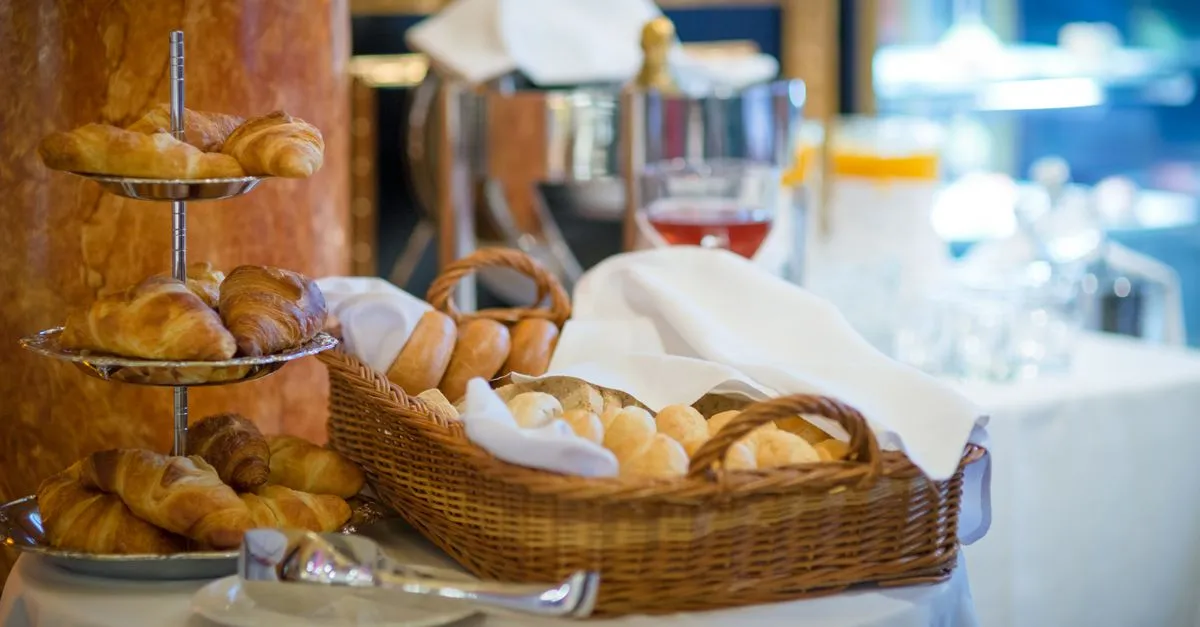
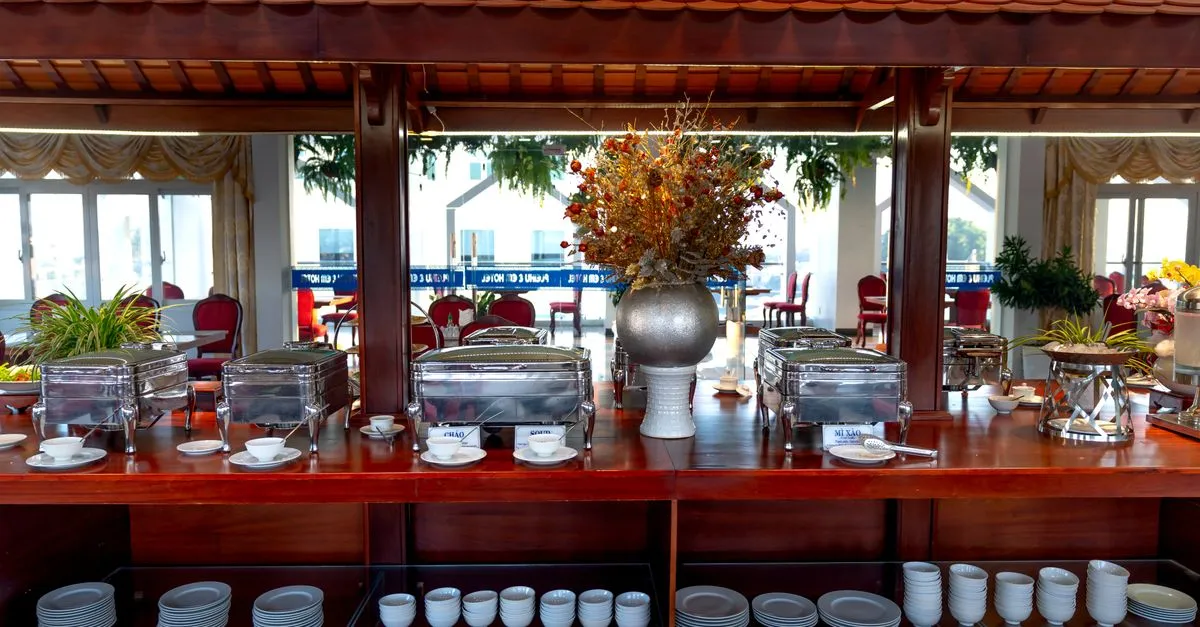
- International Buffet: The most common format, offering a vast selection of dishes from around the world, such as Thai cuisine, Western staples (eggs, bacon, sausages), Japanese options, pastries, fresh fruits, and beverages. Emphasis is on variety and ingredient quality.
- Continental Breakfast: Focuses on simplicity, including baked goods, jams, butter, coffee, tea, and juices. Ideal for guests seeking a quick and light start.
- American Breakfast: More substantial than continental, adding egg dishes, meats (bacon/sausage), and pancakes/waffles.
- A La Carte Breakfast: Guests can order specific dishes from a menu. Often found in high-end hotels aiming for personalized service.
2. Specialty Restaurants
Luxury hotels often house multiple restaurants, each with a distinct concept and cuisine type, offering diverse experiences.
- Fine Dining: Emphasizes a high-level dining experience in terms of ingredient quality, presentation, service, and ambiance. Often features European (French, Italian), Japanese (Omakase), or elevated traditional Thai cuisine.
- International Cuisine: Serves a variety of global dishes in a more relaxed setting than fine dining. Can be lunch/dinner buffets or A La Carte.
- Asian Cuisine: Such as Chinese, Japanese, Indian, Vietnamese, or authentic Thai restaurants focusing on original flavors.
- Western Cuisine: Including steakhouses, Italian, or Mediterranean restaurants.
3. Room Service / In-Room Dining
Provides food and beverage service directly to guest rooms, often 24 hours a day. Menus typically cover breakfast, main courses, snacks, and drinks, ensuring convenience and privacy for guests.
4. Banquet & Catering Services
Involves preparing food for various events within the hotel, such as weddings, conferences, seminars, and corporate parties.
- Buffet: Suitable for events with a large number of guests.
- Cocktail Reception: Focuses on small, easy-to-eat items (Canapés) accompanied by beverages.
- Set Menu / Plated Service: Meals served in courses, ideal for formal events.
- Coffee Break: Snacks and beverages for meeting intermissions.
5. Bars & Lounges
Beyond beverages, bars and lounges in luxury hotels often offer menus with light snacks, appetizers (Bar Snacks), or light meals for guests to enjoy while relaxing or socializing.
6. Special & Dietary Needs
Luxury hotels prioritize accommodating specific guest requirements, such as vegetarian, vegan, gluten-free, halal, kosher, or allergen-specific meals. This is a crucial standard in world-class service.
Comparative Analysis: Differences and Strengths
Comparing food types in luxury hotels reveals the complexity and planning involved.
Fine DiningLuxurious experience, premium ingredients, artistic presentation, impeccable serviceGuests seeking special experiences, gourmands, special occasionsHigh cost, requires highly skilled chefs and staff, high expectationsInternational BuffetVariety, caters to all tastes, good valueGeneral guests, families, tour groupsManaging quality for large quantities, waste control, timely replenishmentRoom ServiceConvenience, privacy, 24/7 serviceGuests wanting to relax in-room, work, or arriving lateMaintaining food temperature and quality during transport, speed of serviceBanquet/CateringAccommodates large groups, customizable for events, high revenue potentialCorporate groups, wedding couples, event organizersComplex coordination, time management, meeting specific client needsEach category plays a vital role in the hotel's revenue and image. Kitchen and team management must therefore be proficient in all aspects to deliver the best possible experience to guests.
The Importance of Food to the Luxury Hotel Experience
Food is more than just sustenance in a luxury hotel; it's a critical element that elevates the overall guest experience.
- Creates a First Impression: A high-quality breakfast can set a positive tone for the entire day.
- Reflects Culture and Identity: Specialty restaurants showcase distinct culinary cultures and build the hotel's reputation.
- Enhances Convenience: Room service meets the needs of guests desiring privacy and flexibility.
- Generates Additional Revenue: Restaurants and catering services are significant revenue streams beyond room bookings.
- Builds Guest Loyalty: An exceptional dining experience can encourage guests to return in the future.
Investing in talented personnel, high-quality ingredients, and creative presentation is therefore key to culinary success in luxury hotels.
FAQ
Q: How does Continental breakfast differ from American breakfast?
A: Continental breakfast emphasizes simplicity, such as bread, jam, and coffee, while American breakfast includes heartier options like eggs, bacon, sausages, and pancakes.
Q: What are the advantages of fine dining in a luxury hotel?
A: Fine dining offers a high-level culinary experience with premium ingredients, exquisite presentation, excellent service, and a luxurious ambiance, ideal for special occasions.
Q: How do luxury hotels manage food for guests with allergies?
A: Luxury hotels prioritize strict inquiry and management of food for guests with allergies, with well-trained chefs and staff ensuring safe and appropriate meals.
Understanding the types of food in luxury hotels is essential for anyone aspiring to succeed in this industry, whether as a chef, F&B manager, or entrepreneur. Crafting exceptional culinary experiences is at the heart of attracting and retaining discerning guests.






![[ลด 50%] GQ Cool Tech กางเกงในไข่เย็น ของแท้ 100% ใส่สบาย ระบายอากาศ ไข่ไม่เหนียวเหนอะหนะ](/_next/image?url=https%3A%2F%2Ffiles.rongramjobs.com%2Fuploads%2Foptimized%2Fth-11134207-81ztk-mdyso1l1mbcz05-1782446403524.webp&w=3840&q=75)