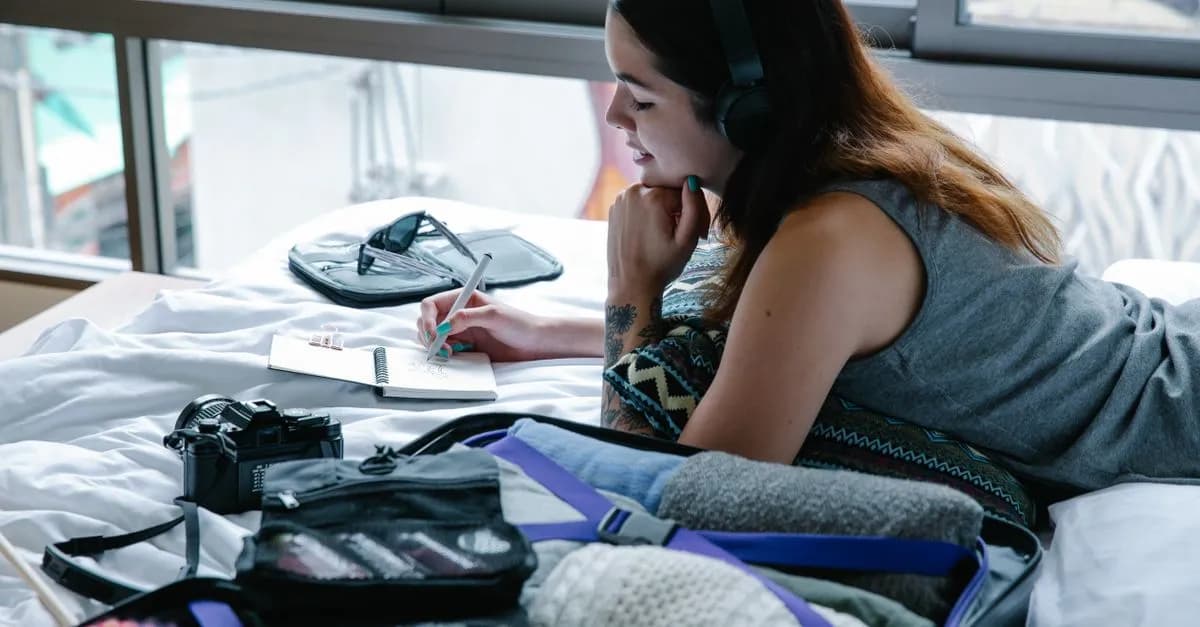
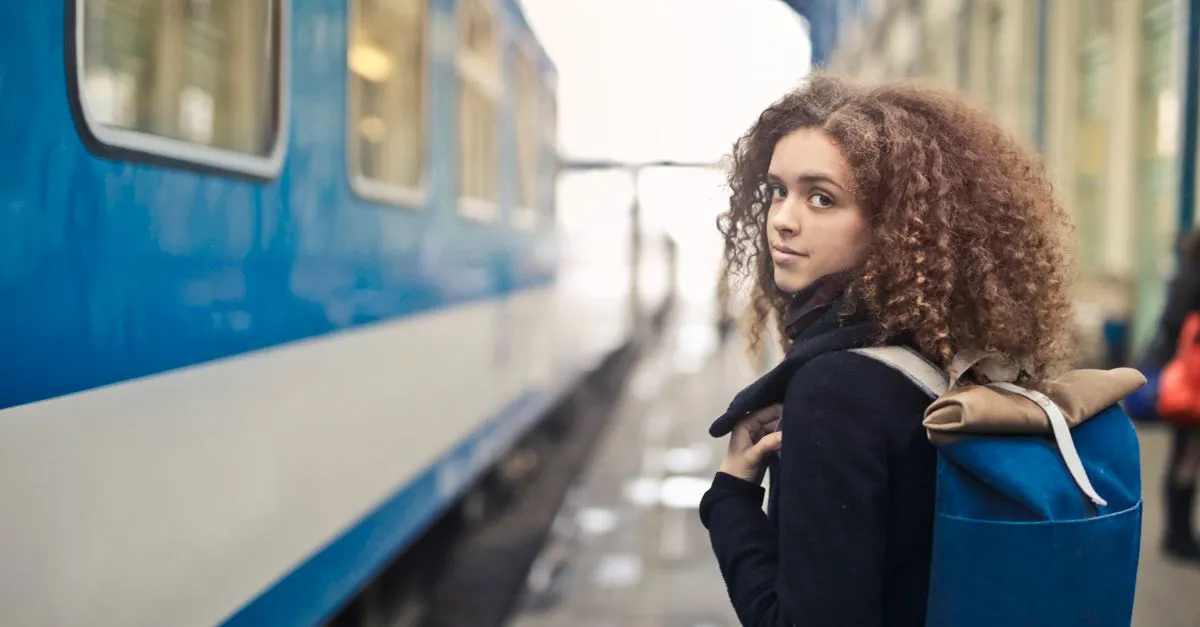
Embarking on a solo international trip is an exciting and eye-opening experience, but it also comes with challenges that require thorough preparation to ensure a smooth and safe journey. Good planning reduces risks and boosts confidence for this adventure. From managing essential documents and budgeting to personal safety and health, this article delves into every aspect a solo traveler should know to be fully ready for their international escapade.
Planning Your Trip and Essential Documents
Advance planning is crucial for solo travel, especially regarding documents and bookings.
Necessary Documents
- Passport: Check its expiration date; it must be valid for at least 6 months from your return date and have blank pages for stamps.
- Visa: Verify the requirements for your destination country and apply in advance if needed.
- Flight and Accommodation Bookings: Print copies or save digital versions on your phone.
- Travel Insurance: Highly important for solo travelers. It should cover medical expenses, trip cancellations, and lost belongings.
- International Driving Permit (if applicable): If you plan to rent a car.
- Copies of Important Documents: Make photocopies of your passport, visa, credit cards, and keep them separate from the originals, or store them digitally in the cloud.
Route and Accommodation Planning
- Research Your Destination: Understand its culture, laws, prohibitions, and safety situation.
- Book Accommodation in Advance: Choose places with good reviews, safety, and convenient transportation.
- Plan a Rough Itinerary: Determine the cities or places you want to visit and how to travel between them.

Budget and Financial Management
Managing your finances is key to avoiding monetary issues during your trip.
Cash and Credit Card Preparation
- Cash: Exchange a reasonable amount of local currency for small expenses or emergencies.
- Credit/Debit Cards: It's advisable to carry at least two cards, stored separately, as a backup in case one has issues.
- Notify Your Bank: Inform your credit/debit card banks in advance about your international travel to prevent card suspension.
Budgeting
Divide your budget into categories such as transportation, accommodation, food, attractions, and emergency funds.
- Transportation: Flights, trains, buses, taxis.
- Accommodation: Hotels, hostels, guesthouses.
- Food: Restaurants, convenience stores.
- Attractions: Museums, theme parks.
- Emergency Fund: Allocate 10-20% of your total budget for unforeseen circumstances.
Personal Safety and Communication
Safety is the top priority, especially when traveling alone.
Safety Practices
- Inform Loved Ones: Share your travel plans and accommodation details with family or close friends.
- Avoid Walking Alone in Isolated Areas: Especially at night.
- Be Mindful of Valuables: Keep them secure and avoid flaunting expensive items.
- Trust Your Instincts: If a situation feels unsafe, remove yourself immediately.
- Learn Emergency Numbers: Police, hospital, and your country's embassy in the destination.
Communication and Connectivity
- Local SIM Card/eSIM: To ensure continuous communication and internet access.
- Power Bank: For charging your mobile phone.
- Essential Apps: Maps (Google Maps, Maps.me), translation (Google Translate), ride-hailing (Uber, Grab), accommodation booking (Booking.com, Agoda).
Health and Other Preparations
Taking care of your health and preparing for unexpected situations.
Medication and First Aid Kit
- Personal Medication: Bring enough for the entire trip, and carry a doctor's note if it's a controlled substance.
- Basic First Aid Kit: Painkillers, plasters, antiseptic, allergy medication.
- Hand Sanitizer: For good hygiene.
Adaptation and Etiquette
- Learn Basic Phrases: Greetings, thank you, sorry in the local language.
- Respect Local Culture: Dress modestly when visiting sacred sites or adhere to local customs.
- Be Open-Minded: Be ready to embrace new experiences and meet people.
Comparing Pros and Cons of Solo Travel
Solo travel has both advantages and disadvantages that should be considered before deciding.
Pros of Solo Travel
- Complete Freedom: You can plan and adjust your schedule as you wish, without waiting for anyone.
- Self-Discovery: You get to spend time with yourself, reflect, and learn new things.
- New Opportunities: More chances to meet locals and other travelers.
- Challenge and Growth: You practice problem-solving and boost your self-confidence.
Cons of Solo Travel
- Higher Costs: No one to share accommodation, transportation, or food expenses with.
- Safety Concerns: Potentially higher risks when facing unexpected situations alone.
- Loneliness: You might feel isolated at times, especially in unfamiliar places.
- Management Burden: You are solely responsible for everything, from planning to problem-solving.
Understanding these pros and cons will help you prepare and adapt better.
FAQ
Q: How far in advance should I book accommodation for solo travel?
A: It's advisable to book at least 1-2 months in advance, especially during peak season or if traveling to major cities with limited accommodation options. Booking early often secures better prices and safer, more suitable choices.
Q: What should I do in case of an emergency while traveling alone?
A: First, stay calm. Contact local emergency services (police, hospital). Notify your country's embassy in that country and contact your travel insurance company immediately.
Q: What specific precautions should solo female travelers take?
A: Avoid walking alone in isolated areas at night, do not drink excessive alcohol, do not accept drinks from strangers, dress appropriately for local culture, and try not to display expensive belongings.
Thorough preparation is the key to a successful and memorable solo journey. Good planning will enable you to confidently face various challenges and fully embrace new experiences. Happy travels!



![[ของขวัญ?] ดัมเบล ดัมเบลยาง 1/2/3/4กก. ลดไขมันต้นแขน ออกกำลังกายและฟิตเนส ดัมเบลสำหรับผู้หญิง ดัมเบลยกน้ำหนัก](/_next/image?url=https%3A%2F%2Ffiles.rongramjobs.com%2Fuploads%2Foptimized%2Fth-11134207-7rasg-m26jme1pimzl63-1782312751674.webp&w=3840&q=75)